
Onsen Near Tokyo: Etiquette, Tattoo-Friendly Spots and Best Day Trips
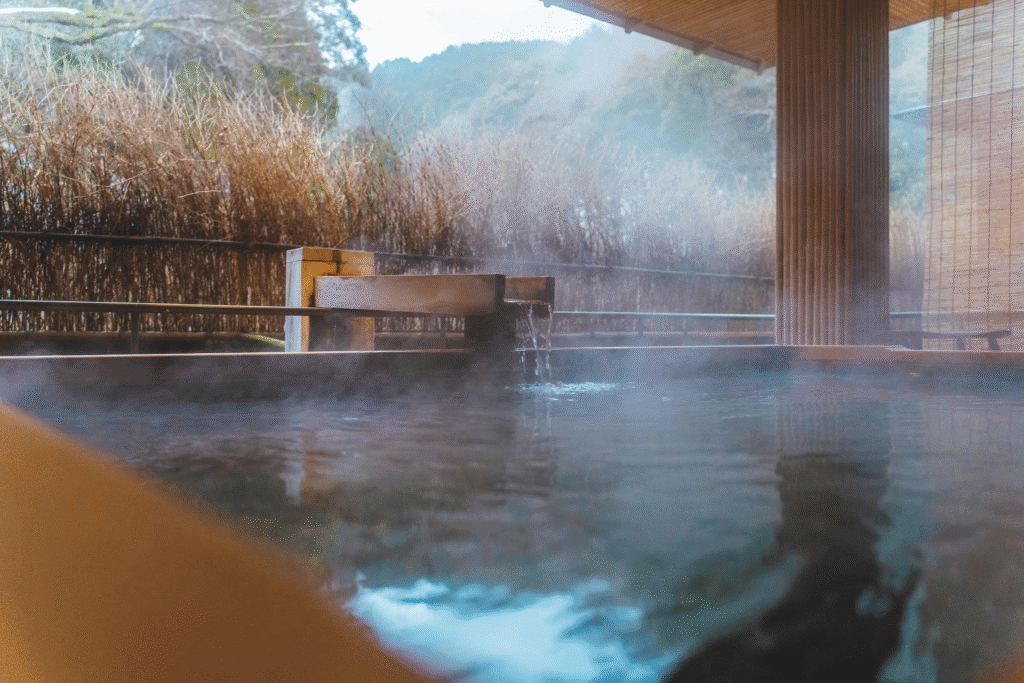
Few experiences capture Japan’s spirit of calm like soaking in a steaming onsen surrounded by nature. If you’re visiting the capital and want to unwind, there are many beautiful onsens near Tokyo that combine comfort, scenery, and tradition. This guide will walk you through onsen etiquette, the best tattoo-friendly options, and how to plan a relaxing day trip, including our favorite destination, Hakone
What Makes an Onsen Special
An onsen is more than just a hot spring. It’s a cornerstone of Japanese culture. The mineral-rich waters are believed to promote healing, reduce stress, and bring balance between mind and body. Beyond the health benefits, visiting an onsen is a ritual of calm and simplicity: a space to disconnect, listen to the sound of nature, and slow down.
For travelers visiting Japan, spending a day at an onsen near Tokyo offers an authentic glimpse into the country’s wellness traditions without leaving the capital far behind. With so many options just one to two hours away, it’s one of the easiest and most rewarding day trips you can take.
How to Enjoy an Onsen: Etiquette for First-Timers
Japanese onsens are peaceful, communal spaces, and following the right etiquette helps preserve that atmosphere. If it’s your first time, here’s what to expect.
Before You Enter
-
Shower thoroughly before stepping into the bath. Every onsen has a washing area with stools, showers, and soap.
-
Remove all clothing and swimsuits. Onsens are traditionally enjoyed nude.
-
Keep large towels in the locker area and bring only a small towel for washing or covering yourself as you walk.
Inside the Bath
-
Step into the water slowly; it’s often quite hot.
-
Keep voices low and avoid splashing.
-
Do not dip your towel into the bath. Place it on your head or on the edge of the tub.
-
Avoid swimming or moving around too much. The goal is relaxation and quiet.
After the Bath
-
Step out slowly and dry off before returning to the locker area.
-
Rehydrate, and if available, enjoy a rest in the relaxation lounge or common area.
-
It’s perfectly normal to leave your hair slightly damp. Locals often let the minerals absorb into their skin.
If you’d like to experience an onsen with ease and comfort, a private guided day trip with HavenJapan includes optional onsen stops where your guide helps you choose a facility that suits your preferences and comfort level.
Tattoo-Friendly Onsens Near Tokyo
Tattoos were once linked to organized crime in Japan, so some traditional onsens still restrict entry. Many modern or private options now welcome guests with tattoos, especially around Hakone, Fuji, and Kawaguchi. Here are the best regions to explore.
Hakone: The Classic Choice
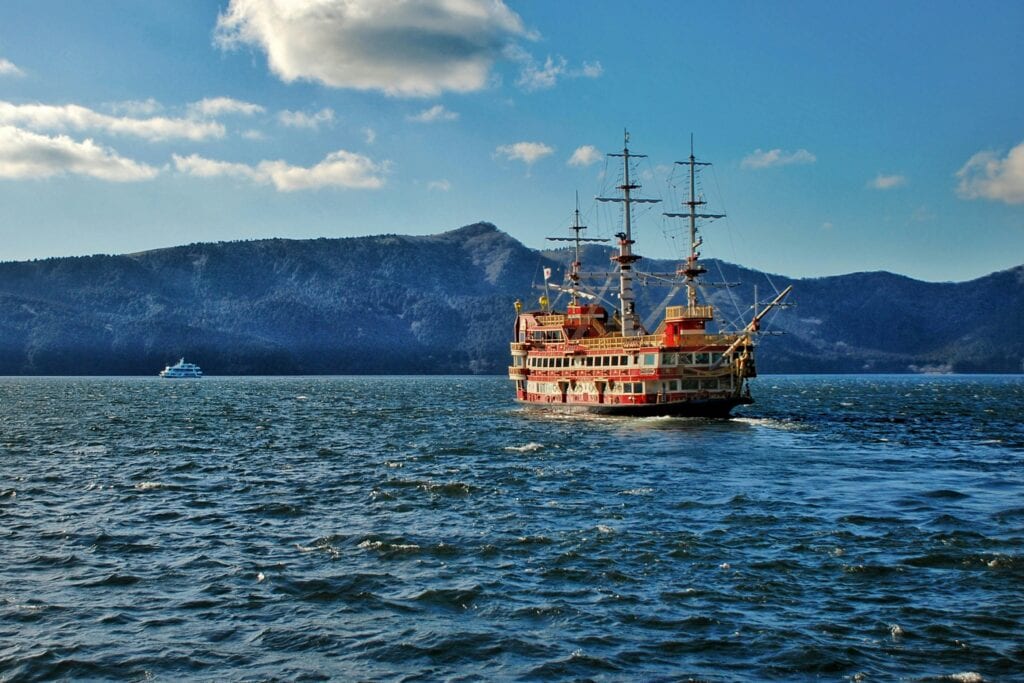
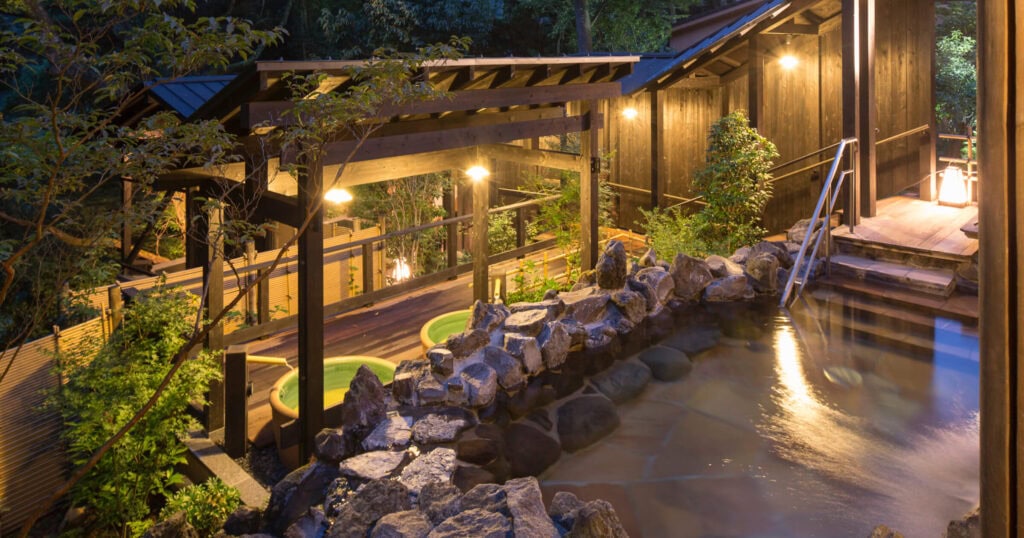
Hakone is Japan’s most famous onsen town, surrounded by forests, lakes, and mountain views of Mount Fuji. Many ryokans offer private or semi-private baths, allowing guests to relax freely even with tattoos.
Two of the most popular public baths in Hakone are Yuryo Onsen and Tenzan Onsen, both known for their open-air pools, peaceful forest settings, and welcoming atmosphere for international visitors. You can enjoy a traditional soak at either location, then stroll through Hakone’s art museums, lakeside shrines, or nature trails nearby.
The area’s natural beauty, combined with its proximity to Tokyo (about 90 minutes away), makes it ideal for a one-day escape.
Recommended: Explore the region with the Private Hakone Day Tour by HavenJapan, which includes Mount Fuji viewpoints, local cuisine, and the option to enjoy a private onsen experience at your own pace.
Lake Kawaguchi
For those seeking Fuji views directly from the bath, Lake Kawaguchi is unbeatable. Several ryokans and hotels have open-air baths facing the mountain, especially beautiful during sunrise and sunset. This area is also covered in HavenJapan’s Fuji Day Tour, which combines scenic drives with optional onsen time.
Nikko
Nikko is best known for its UNESCO-listed shrines and cedar forests, but it also offers a handful of scenic, tattoo-friendly onsens nestled in the surrounding mountains. The Kinugawa Onsen area, about 30 minutes from Nikko’s town center, is particularly famous for its riverside baths and relaxing ryokans.
For travelers looking to combine culture and relaxation, Nikko is an ideal choice: explore historic temples in the morning, then unwind in a hot spring with views of the river or forested valley.
Atami and Izu Peninsula
A bit farther from Tokyo, Atami and Izu are perfect for a weekend getaway. These coastal hot springs offer ocean views and a slower rhythm. Some luxury resorts here provide private rooms or outdoor tubs where tattoos are not an issue.
Private Onsens and Day Trip Options
If you prefer privacy or want to enjoy an onsen as a couple, family, or with tattoos, look for “kashikiri”, private baths available by the hour. These rooms offer full privacy, making them ideal for anyone who wants to relax without worrying about etiquette nuances or restrictions.
Navigating these options in Japanese can be tricky, so joining one of our private guided tour ensures smooth communication, seamless timing, and tailored recommendations.
When and How to Plan Your Onsen Visit
-
Best seasons: Autumn and winter are ideal, with cooler air and stunning seasonal scenery. Snowy landscapes in Hakone or Fuji make the experience unforgettable.
-
Best time of day: Early morning or late afternoon are quieter and more serene.
-
Avoid: National holidays or long weekends, when popular onsens get crowded.
A private tour offers flexibility to visit at the best times and enjoy multiple spots in one day, something hard to achieve with public transport.
Final Thoughts
Whether you’re looking for a traditional onsen in the forest, a tattoo-friendly bath with a Fuji view, or a private retreat for the day, the region around Tokyo has something for everyone.
Following proper etiquette and understanding local customs will make your visit smoother and far more rewarding.
For travelers who want to relax without the hassle of logistics or language barriers, the Private Hakone Day Tour from Tokyo is the most comfortable and authentic way to experience Japan’s onsen culture in a single day.