
Cherry Blossoms Near Tokyo
Hakone, Kamakura, and Nikko each offer a completely different backdrop for sakura season. Here is where to go and what to expect.
Cherry blossom season around Tokyo lasts only a few weeks each year. The destinations within reach of the city are not interchangeable. Hakone gives you blossoms against Mount Fuji. Kamakura sets them against ancient temples and samurai history. Nikko frames them within a UNESCO-listed mountain complex. Knowing which suits you before you travel makes all the difference.
Hakone: Sakura with a View of Mount Fuji
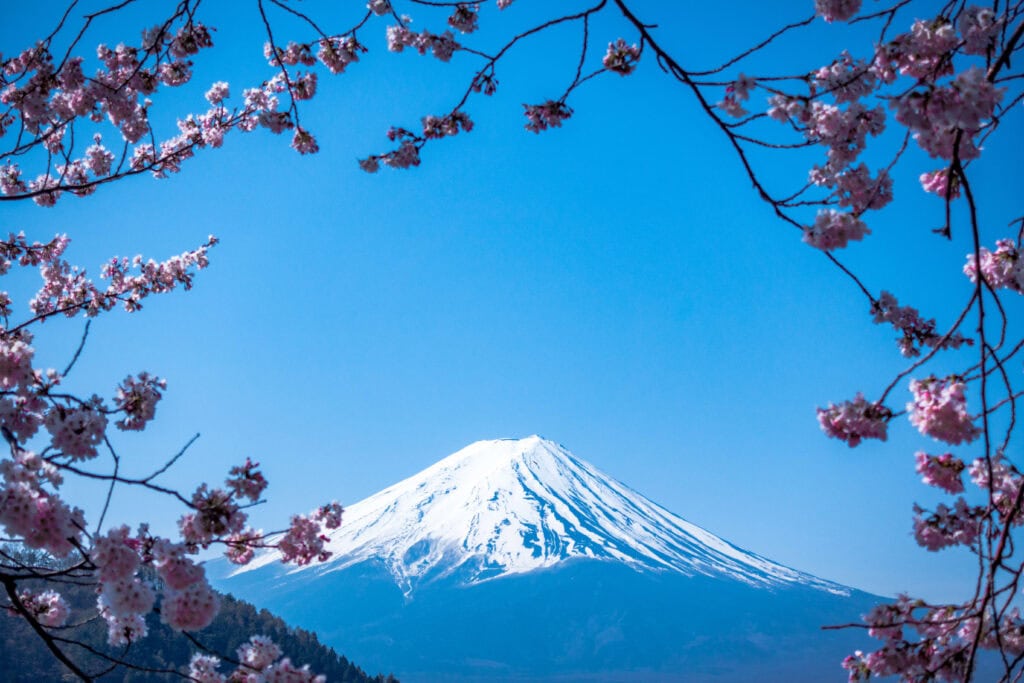
Hakone is the destination most often associated with dramatic cherry blossom photography, and for good reason. On clear spring days, the combination of pink blossoms and the white cone of Mount Fuji above the lake is one of the most recognisable images in Japanese travel. The reality on the ground is equally impressive if you know where to position yourself.
Gora Park
Gora Park sits at the upper end of the Hakone Tozan Railway and offers a quietly curated garden environment during blossom season. It is less crowded than the lakeside spots and gives a more composed experience, well suited to visitors who prefer to observe the flowers without the intensity of a popular picnic ground.
Lake Ashi
The lakeside path around Lake Ashi, particularly near Moto-Hakone, produces the classic Fuji-framed sakura photographs that appear in travel magazines every spring. This is best visited early in the morning before tour groups arrive. The Hakone Sightseeing Cruise offers views of the blossoms from the water, with Fuji as backdrop when skies are clear.
Hakone Yumoto Station
The area around Hakone Yumoto, at the base of the mountains, tends to bloom slightly earlier than the higher elevations. The old bridge and the riverside path between the station and the onsen district are lined with cherry trees that overhang the water, creating a low-key alternative to the more photographed spots further into the park.


Kamakura: Cherry Blossoms and Samurai History
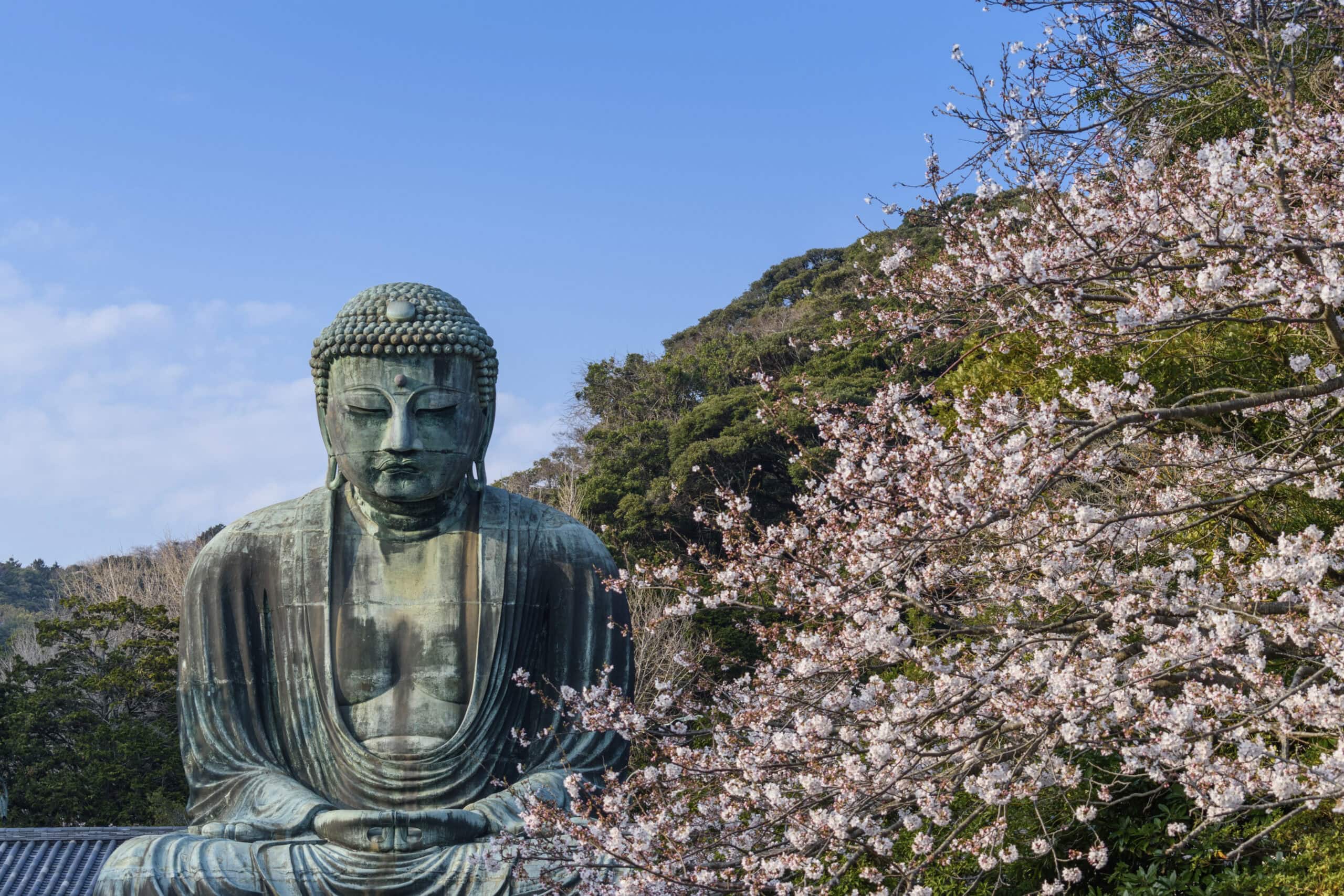
Kamakura was Japan’s political capital in the 13th century, and the density of shrines, temples, and historical sites within a compact coastal town makes it one of the most rewarding day trips from Tokyo at any time of year. In spring, the combination of ancient architecture and flowering cherry trees gives the place a quality that is harder to find in busier destinations.
Tsurugaoka Hachimangu Shrine
The main processional avenue leading to Tsurugaoka Hachimangu is lined with cherry trees for its entire length. During peak bloom the path is canopied in pale pink, with the red torii gate and shrine buildings visible at the far end. This is one of the more dramatic sakura approaches in the greater Tokyo region and draws considerable crowds at weekends.
Genjiyama Park
Set into the hills above the centre of Kamakura, Genjiyama Park is a local favourite for hanami. Its elevated position and wooded surroundings make it noticeably quieter than the main shrine precincts. The views through the trees toward the sea on clear days add to its appeal, and the park sees far fewer visitors than the popular spots closer to the station.
Hase-dera Temple
Hase-dera sits on a hillside with views across the bay toward Enoshima Island. The temple garden contains several cherry trees that frame the main hall and the carved stone lanterns on the approach. The combination of coastal views, garden details, and blossom colour makes this one of the more complete visual experiences in Kamakura during spring.
“In Kamakura, the blossoms fall against eight centuries of stone and timber. The combination is unlike anything else in the region.”
Nikko: Historic Shrines and Mountain Sakura
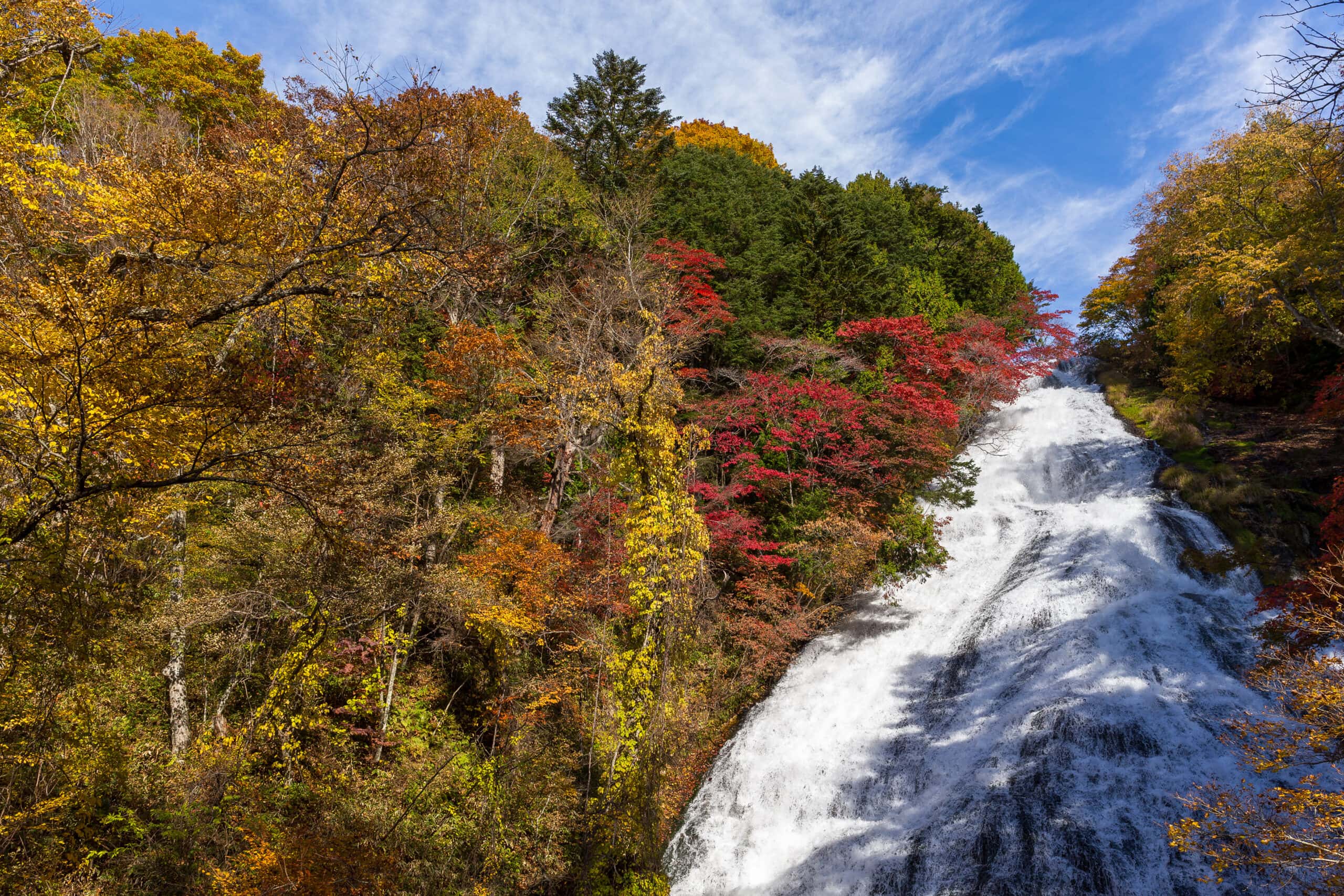
Nikko sits at higher elevation than Hakone or Kamakura, which means its cherry blossom season arrives later, often in late April when the rest of the region has already moved on. This makes it a valuable option for travellers visiting Japan in the second half of April who still want to see sakura, and the mountain setting gives the blossoms a different character entirely.
Shinkyo Bridge
The red lacquered Shinkyo Bridge, spanning the Daiya River at the entrance to the shrine complex, is one of the most photographed structures in Nikko. In late April, cherry trees on the surrounding slopes frame the bridge in a way that looks equally composed from every angle. The early morning light on the bridge before tour groups arrive is particularly worth the effort.
Rinno-ji Temple
Rinno-ji, at the start of the UNESCO World Heritage precinct, has a garden behind the main hall that comes into bloom during the late sakura season. The calm of the garden, away from the main processional routes, provides a quieter experience than the shrine areas nearby. The combination of spring colour and the garden’s careful composition rewards time spent there without a fixed schedule.
Tobu World Square
For visitors travelling with children, Tobu World Square, with its miniature replicas of world landmarks set in landscaped grounds, makes a natural pairing with the historic sites of Nikko and is surrounded by cherry trees during spring. It sits between Nikko town and Kinugawa Onsen and works well as a final stop before returning to Tokyo.

Visiting with a Private Guide
Cherry blossom season is one of the busiest periods in Japan, and the most popular spots near Tokyo attract significant crowds from mid-morning onward. Arriving early, knowing which viewpoints offer the best light at which hour, and being able to reroute when a location is overcrowded are advantages that become particularly meaningful during sakura season.
A private day trip from Haven Japan is built around your group and your interests. Whether you want to focus on one destination in depth or combine two areas in a single day, the itinerary is confirmed in advance and remains flexible on the day. Our guides are fluent in English and can provide the historical and cultural context that transforms a pleasant morning into something genuinely memorable.
We pick up from your hotel in central Tokyo in a Toyota Alphard and handle all logistics, including parking, navigation, and timing, so that your experience of the day is the landscape, not the travel planning around it.
See cherry blossom season your way
Private day trips to Hakone, Kamakura, and Nikko, designed around your group, your pace, and your interests. Departing from your hotel in Tokyo.
Explore private day tripsTravel Tips for Cherry Blossom Season
Best time to visit
Peak bloom in the greater Tokyo area typically falls between late March and mid-April, though dates shift by one to two weeks from year to year depending on winter temperatures. The Japan Meteorological Corporation publishes an annual sakura forecast in February that is the most reliable planning tool available. For Hakone, plan for early to mid-April. For Nikko, late April is more reliable. Booking transport and accommodation as soon as the forecast is published is advisable.
What to bring
Spring weather in Japan moves quickly. Mornings during cherry blossom season can be genuinely cold, particularly at higher elevations in Hakone and Nikko, while afternoons may be warm enough for light clothing. Layering is essential. A compact waterproof layer is useful in all three destinations. For outdoor hanami, a picnic mat and something warm for the evening will be appreciated. Cash remains necessary in some of the smaller cafes and market stalls near popular cherry blossom sites.
Hanami etiquette
Hanami, the practice of gathering beneath cherry trees to appreciate the blossoms, is a genuinely communal occasion in Japan. Claiming a spot early in the morning by placing a mat is common practice in the most popular parks. Rubbish must be taken away or placed in designated bins, which are often limited in number. Picking blossoms from the trees is not acceptable. Music and conversation are expected parts of the gathering, but at a volume that respects those around you.
Frequently asked questions
When is the best time to see cherry blossoms near Tokyo?
The peak bloom window in the Tokyo region typically falls between late March and mid-April, though the exact dates shift each year depending on winter temperatures. Hakone tends to bloom slightly later than central Tokyo, usually reaching peak around early to mid-April. Nikko, at higher elevation, blooms last, often in late April. Checking the Japan Meteorological Corporation’s annual sakura forecast in February gives the most reliable planning window.
Which is better for cherry blossoms: Hakone, Kamakura, or Nikko?
Each destination offers a genuinely different experience. Hakone pairs cherry blossoms with views of Mount Fuji, making it the most photogenic option in good weather. Kamakura combines sakura with ancient temples and the famous Great Buddha, giving the blossom season a strong cultural backdrop. Nikko frames its blossoms against UNESCO-listed shrines in a forested mountain setting. The right choice depends on whether you prioritise landscapes, cultural depth, or natural scenery.
Can I do a cherry blossom day trip from Tokyo by train?
Yes. All three destinations are accessible from Tokyo by train without transfers that require advance booking. Hakone is around 80 minutes from Shinjuku on the Romancecar express. Kamakura takes approximately one hour from Tokyo Station on the JR Yokosuka Line. Nikko is around two hours from Asakusa on the Tobu Nikko Line. A private day trip with a guide and vehicle removes the logistical planning entirely and allows for earlier starts and more flexibility en route.
What is hanami etiquette in Japan?
Hanami, the tradition of gathering beneath flowering cherry trees, is both relaxed and governed by understood conventions. Reserving a spot under a popular tree by placing a mat early in the morning is common practice among locals. Noise levels should be kept moderate in public parks, particularly around families and elderly visitors. Rubbish must be taken home or placed in designated bins, which are often scarce in parks. Picking blossoms from the trees is considered disrespectful. Quiet appreciation is always appropriate, even during festive gatherings.