Japan in November: Where to Go and What to Expect
Koyo at its peak, Fuji snow-capped and clear, the heat finally gone. November is one of Japan’s finest months, provided you know where to be and when.
There is a particular quality to November light in Japan that is difficult to describe without sounding excessive: clear, low, warm in tone, falling across temple gardens and mountain forests in a way that makes a mediocre photograph look considered and a considered one look exceptional.
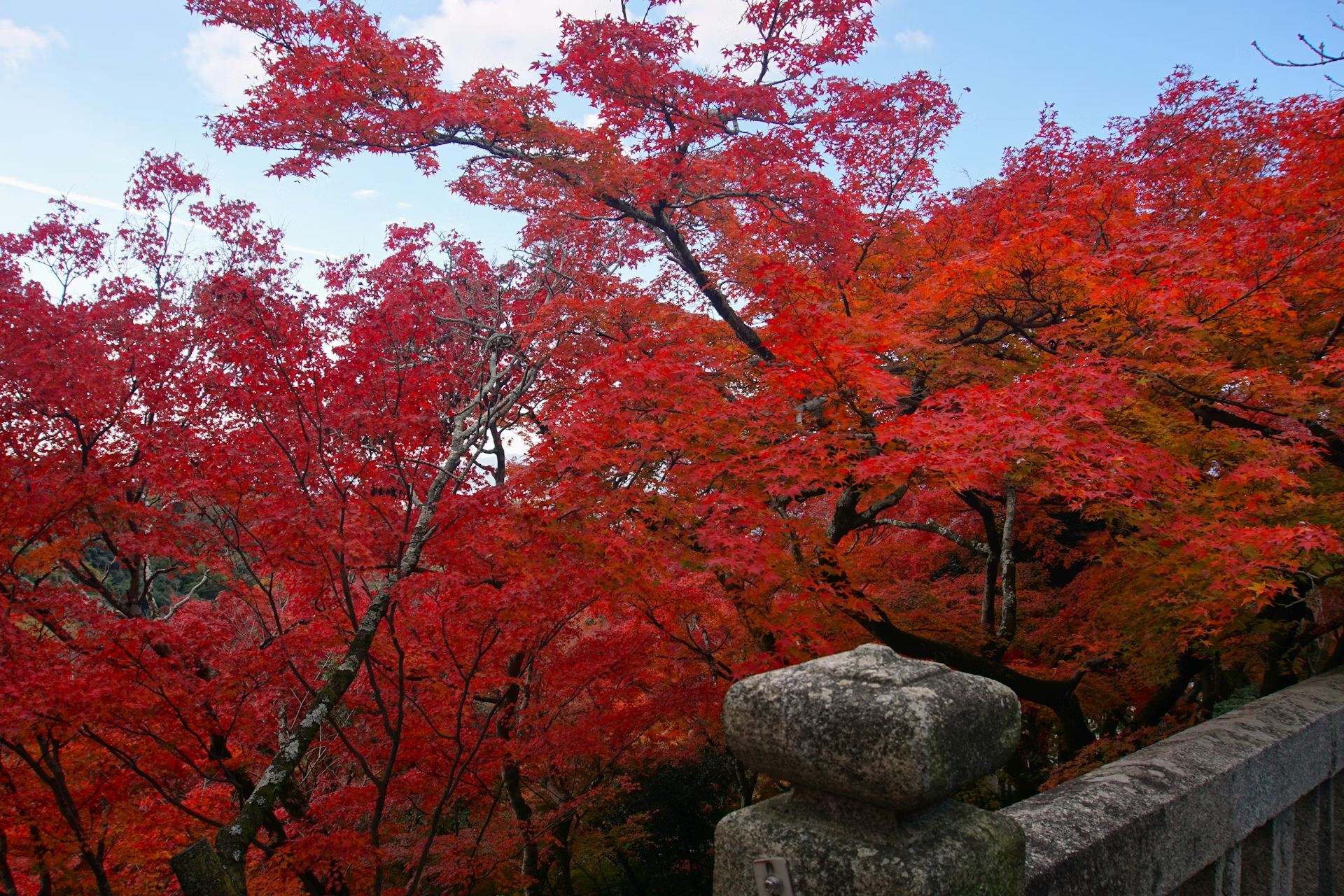
This is the month of koyo, the Japanese autumn foliage season, when maples, ginkgos, and zelkovas shift from green through yellow and orange to a deep, saturated red that lasts, depending on elevation and the preceding weather, anywhere from a few days to three weeks. November is also when Mount Fuji, freshly capped with snow and freed from summer haze, is at its most reliably visible. Cool, dry, and eminently walkable, the days reward the slow itinerary over the rushed one.
This guide covers everything you need to plan a November trip well: where the foliage peaks and when, which regions deserve your time, what the weather genuinely feels like, and how to avoid the specific pitfalls that catch even experienced Japan travellers off guard in autumn.


Koyo: Understanding the Foliage Calendar
Koyo moves south and downward each year, following temperature. It begins in Hokkaido in late September, descends through the Japan Alps through October, and arrives in Kyoto and Tokyo in November before the season fades into December further south and west. Moreover, a well-structured itinerary can follow the colour, extending the peak across two or even three weeks.
Where November peaks fall
In practical terms, here is where the colour lands each November:
- Nikko and the Japan Alps: early November, sometimes late October at higher elevations
- Tokyo: third week of November through early December; Shinjuku Gyoen, Rikugien, and Koishikawa Korakuen are the most consistent parks
- Kyoto: mid to late November; Tofuku-ji, Eikan-do, and Arashiyama are the classic sites, with peak colour typically around the third week
- Nara: late November; the deer provide useful context for the scale of the ginkgo trees
- Hiroshima and Miyajima: late November; the floating torii against autumn foliage is one of Japan’s genuinely iconic pairings
How to read the forecast
Year-to-year variation of one to two weeks is normal. The Japan Meteorological Corporation publishes a koyo forecast map each autumn. Consequently, it is worth checking in October before finalising any temple-specific timing.
Koyo does not arrive on a fixed date. It arrives according to the preceding month’s warmth, and that uncertainty is part of what makes the season worth pursuing.

Where to Go in November
The classic Japan itinerary – Tokyo, Kyoto, perhaps Osaka and Hiroshima – is at its most rewarding in November. Furthermore, several secondary destinations make a more compelling case this month than at any other time of year.
Kyoto
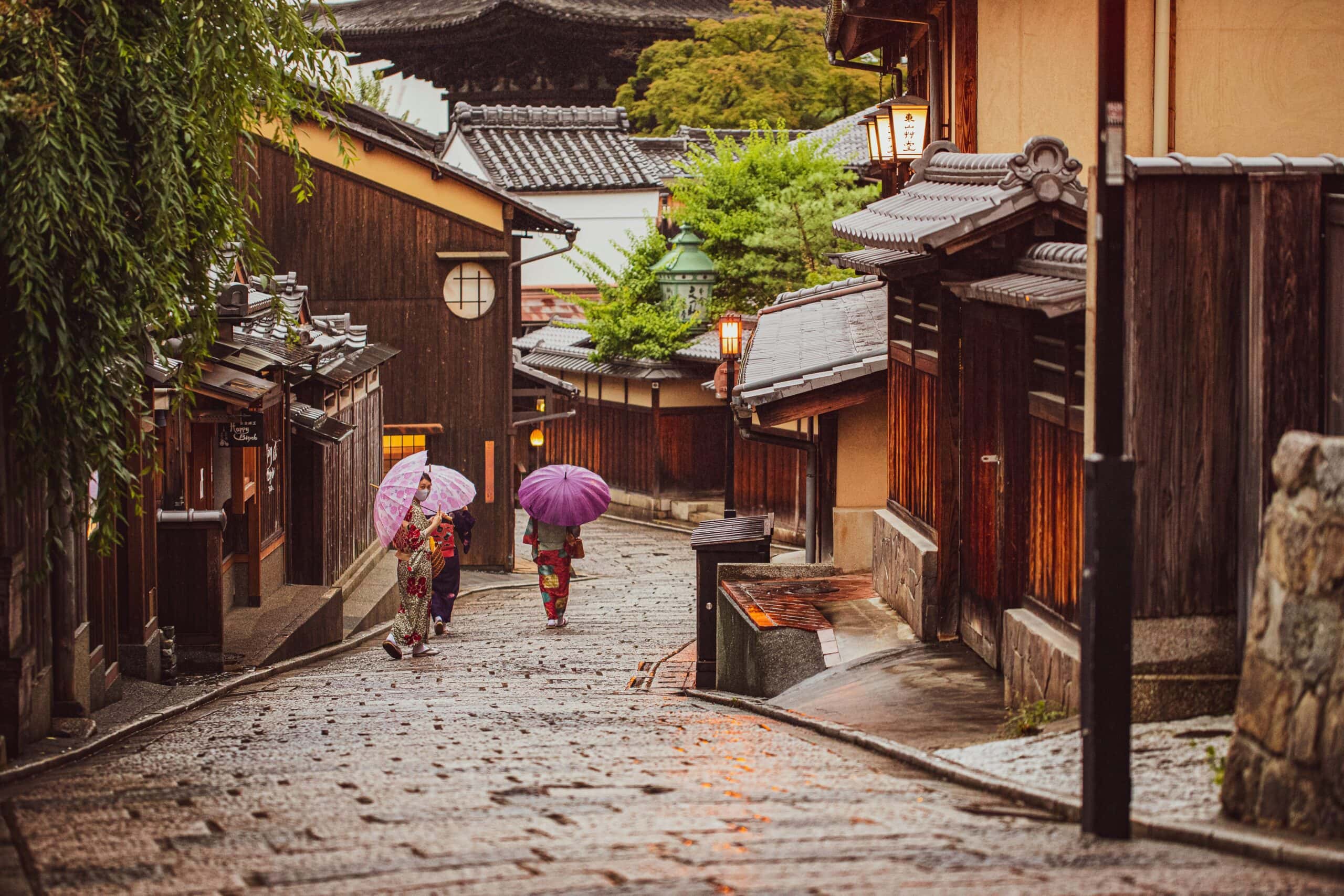
Kyoto in autumn is the version of Japan that most travellers are picturing before they arrive. Temples here are older, the gardens more deliberately composed, the foliage framed by centuries of stone lanterns and wooden gates. Beyond Tofuku-ji and Arashiyama, which are extraordinary but genuinely crowded, there are quieter corners that reward effort: the hillside path above Fushimi Inari before 8am, the garden at Shisendo in the northeast, the canal-side maples of Okazaki in the late afternoon. Kyoto in November is not a city to rush through; it is a city to slow down in.
A machiya townhouse or a small Higashiyama ryokan books out months in advance for November. If accommodation here matters to you – and it should – begin researching in spring.
Nikko
Two hours north of Tokyo by limited express, Nikko is the most dramatic koyo destination in the Kanto region. Its Iroha-zaka switchback road climbs through hillsides of amber and crimson to Lake Chuzenji, where reflections on still water double the effect. Toshogu’s Edo-period shrines and cedar forest provide a backdrop that makes even ordinary photographs appear composed. Early November is the window; by mid-month the leaves are typically past their peak at this elevation.
Hakone
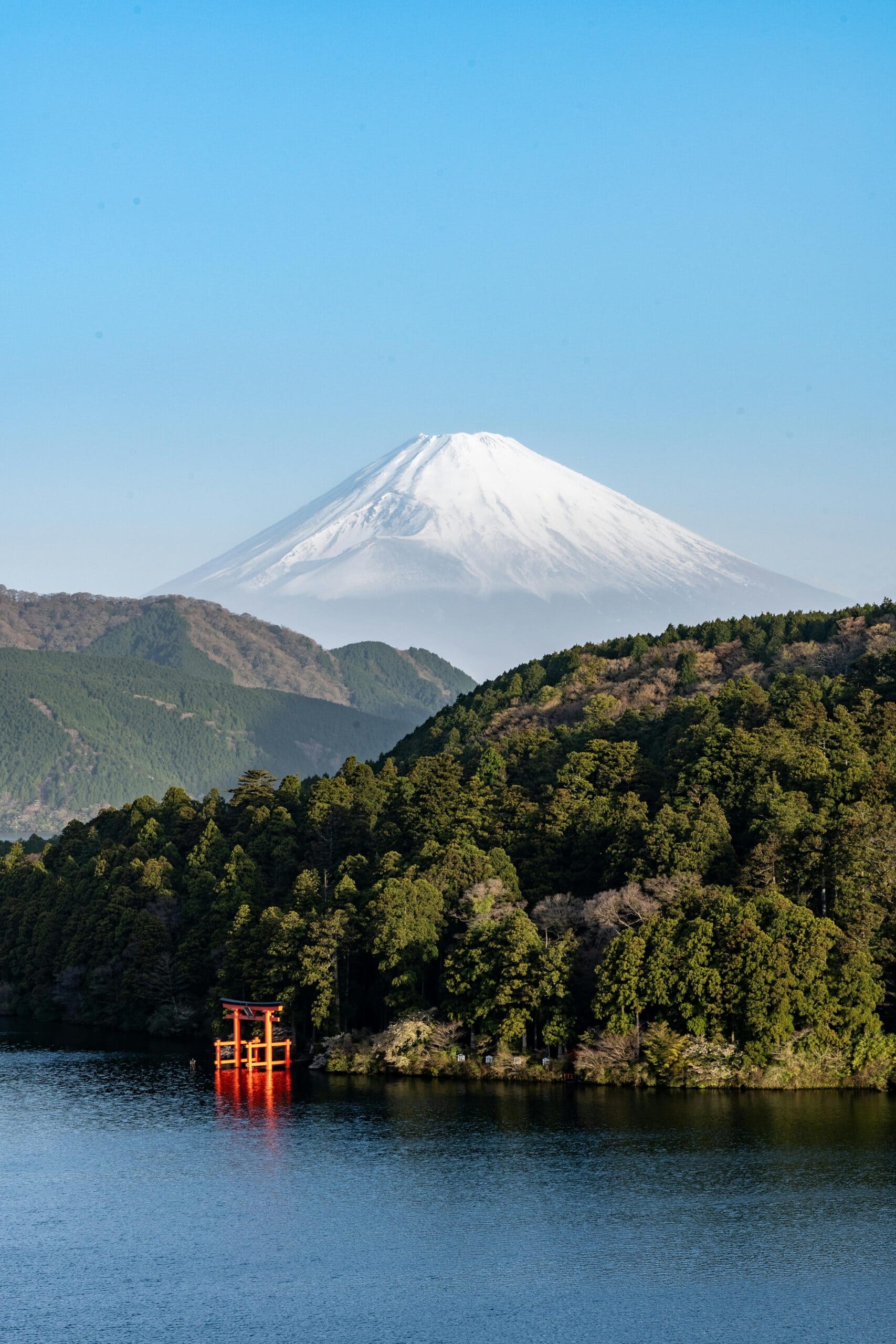
Hakone combines autumn foliage with some of the best Fuji views available from any easily accessible location. Its open-air museum, onsen circuit, and sake breweries in Odawara all work well in November, when the crisp air sharpens distances and lake reflections are at their clearest. In addition, a two-night stay slots naturally into a Tokyo-based itinerary without disrupting the rest of the trip.
Hiroshima and Miyajima
Miyajima’s pairing of autumn foliage with the floating torii is one of Japan’s most photographed images, and for good reason. On the island, the deer ignore the season entirely. What Hiroshima adds to this combination – the Peace Memorial Museum, the Atomic Bomb Dome, the park that surrounds them – makes it one of the most emotionally weighted itinerary decisions in Japan. November does it justice.


Mount Fuji in November
November is the most reliable month of the year to see Fuji clearly. Summer humidity is gone, the mountain has typically received its first significant snowfall by mid-October, and the days are long enough to offer several hours of excellent viewing light before afternoon haze builds. A snow-capped Fuji against a deep blue November sky is a sight that photographs well and impresses in person even more than it does on screen.
The best viewpoints
The Fuji Five Lakes area is the natural base. Lake Kawaguchi offers the most accessible views and the most photographed angles, while Lake Yamanaka to the east is less visited and worth the extra twenty minutes if your itinerary allows. In Fujiyoshida, the Chureito Pagoda sits set into the hillside with Fuji framed behind it – it requires a short climb but provides one of the most composed viewpoints in Japan at any time of year, and in November, with autumn colour on the surrounding trees, it is exceptional.
Visiting outside the climbing season
November falls entirely outside the climbing season, which closes in early September. That has no bearing, however, on the quality of views from the base. Trails around the lower lakes remain open and provide excellent walking, with Fuji visible as a constant reference point above the treeline.
On a clear November morning, Fuji appears so perfectly formed – snow-white above an amber tree line – that it looks less like a mountain than like a painting of one.

November Weather: What to Actually Expect
November divides roughly into two halves. The first two weeks are generous: mild daytime temperatures, low humidity, clear skies, and evenings that are cool but not yet cold. However, the final week tips into something more genuinely autumnal, with mornings that can surprise travellers who packed for the earlier part of the month.
Temperatures by region
- Tokyo: early November 14 to 20°C (57 to 68°F); late November 8 to 14°C (46 to 57°F). Rain is infrequent and usually brief.
- Kyoto: slightly cooler than Tokyo, with misty mornings that add atmosphere and late-November evenings dropping to around 5°C (41°F).
- Nikko and the Fuji area: noticeably colder at elevation. A proper mid-layer and wind-resistant outer are not optional here.
- Osaka and Hiroshima: milder than Kyoto; peak foliage arrives a week later and the evenings are more forgiving.
- Hokkaido: snow is possible and sometimes sustained from early November. A different category of packing entirely.
What the cold actually feels like
Rain across Honshu in November is infrequent and tends to be brief. The larger risk, in contrast, is underestimating how cold the final week of the month feels after a full day of outdoor walking. A packable insulated jacket earns its weight in a November bag. Furthermore, temple floors and stone paths retain the cold in a way that good footwear handles more comfortably than fashionable alternatives.
A November itinerary timed around koyo
Haven Japan builds each itinerary around the specific weeks you travel and the experiences that matter most. November requires precise timing, and we know when and where to be.
Schedule your November tripPractical Advice for November
Book accommodation early
Kyoto accommodation, ryokan in particular, books out months in advance for November. The most sought-after properties in Higashiyama and Gion can be fully reserved six months ahead of peak weekends. If a particular ryokan or neighbourhood matters to you, treat the accommodation search as the first task of planning, not the last.
Time your visits carefully
The November crowds in Kyoto are real and concentrated. Tofuku-ji on a weekend morning can mean queues at the ticket gate before the temple is even at full colour. Visiting on a weekday, arriving at opening time, or choosing less-known temples with comparable foliage are all strategies that work. Japan’s koyo is not exclusively located at the fifteen most photographed spots.
Eat seasonally
November brings one of the strongest seasonal eating moments in the Japanese calendar. Matsutake mushrooms – earthy, aromatic, and expensive in proportion to their rarity – appear in clear soups and rice dishes. Pacific saury is at its best in early November. Sweet potatoes, chestnuts, and persimmons appear in wagashi across Kyoto, making a tea ceremony particularly worth experiencing this month. Ask your ryokan what is seasonal at breakfast; the answer in November is usually more interesting than at any other time of year.
Consider luggage forwarding
Takkyubin luggage forwarding allows you to send your suitcase between hotels overnight for a modest fee, travelling between cities with only a day bag. In a month where train platforms and temple paths are at their most crowded, moving without a large suitcase makes an appreciable difference to the daily experience.
Frequently Asked Questions
When does koyo peak in Japan?
Koyo follows a southward progression each year. In Nikko and the Japan Alps, colour peaks in early November. Tokyo’s parks reach full colour in the third week of November. Kyoto typically peaks between mid-November and early December, with Tofuku-ji and Eikan-do being the most reliable spots. Hiroshima and Miyajima follow in late November. Timing shifts by one to two weeks depending on how warm the preceding October was.
Is Mount Fuji visible in November?
November is one of the best months to see Fuji clearly. Humidity is low, the mountain is typically snow-capped from mid-October onwards, and early mornings offer the sharpest views before afternoon haze builds. The Fuji Five Lakes area and the Chureito Pagoda viewpoint are the most rewarding positions. The climbing season is closed, but there is no better time for views from the base.
How cold is Japan in November?
Early November is mild across most of Honshu, with Tokyo and Kyoto sitting between 14 and 20°C (57 to 68°F). By late November temperatures drop to 8 to 14°C (46 to 57°F), with evenings in Kyoto occasionally reaching 5°C (41°F). Elevated areas like Nikko and the Fuji Five Lakes are noticeably colder. A light base, knit mid-layer, and packable outer jacket handle the range comfortably.
Is November a crowded time to visit Japan?
November is one of Japan’s peak months, particularly in Kyoto during the koyo weekends. Tofuku-ji on a November Saturday can draw queues of an hour or more. That said, crowds concentrate at a small number of famous spots, and secondary temples, smaller towns, and early morning visits all offer significantly quieter experiences. Book accommodation months in advance, particularly in Kyoto.
What should I wear in Japan in November?
Layers are the foundation: a long-sleeve base, one or two knit mid-layers, and a packable jacket cover most of the month comfortably. A lightweight scarf doubles as warmth and a cover for temple visits. Easy slip-on shoes are practical for the frequent shoe removal at traditional restaurants and accommodation. Late November in elevated or northern areas calls for gloves and a warmer coat.