
Onsen Near Tokyo
Etiquette for first-timers, tattoo-friendly options, and the best hot spring day trips within reach of the city.
Onsen bathing is one of the oldest wellness traditions in Japan, and some of the country’s finest hot springs are within one to two hours of Tokyo. Getting it right the first time means knowing a few things in advance: what to do before you enter the water, which facilities welcome tattooed guests, and how to build a day around the experience rather than rushing it.
What Makes an Onsen Special
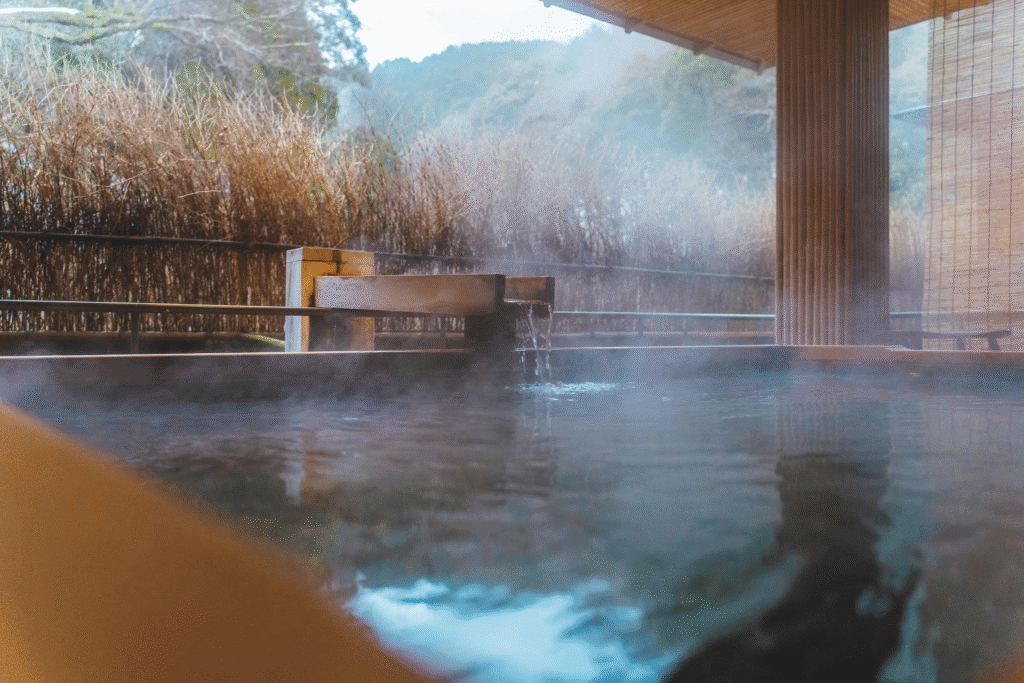
The water in a genuine onsen is geothermally heated and rich in dissolved minerals, each spring producing a distinct chemical composition that affects its temperature, colour, and the sensations it produces on the skin. Some springs are sulphurous and milky white. Others run clear and slightly alkaline, leaving skin noticeably soft after a short soak. The health claims made about onsen water are longstanding in Japanese culture, and the experience of sitting in naturally heated mineral water in a well-designed outdoor bath is restorative in ways that are difficult to describe and easy to understand once you are there.
Beyond the water itself, a good onsen visit offers something that is harder to find in modern travel: a moment of unhurried stillness. There is no itinerary inside a bathhouse. The conventions of the space, its warmth and quiet, encourage a different kind of attention. For visitors trying to understand what makes Japanese culture distinctive, an afternoon at a well-run onsen is as informative as any temple visit.
How to Enjoy an Onsen: Etiquette for First-Timers
Onsen etiquette is not complicated, but it is taken seriously. Understanding the conventions before you arrive removes any awkwardness and allows you to focus on the experience itself. The rules exist to ensure the shared bathing space remains clean and comfortable for everyone.
Before You Enter
- Shower thoroughly at the washing stations provided before entering any shared bath. This is the most important convention and is non-negotiable.
- Enter the water without clothing. Swimwear is not worn in traditional onsen shared baths.
- You will typically receive a small towel. This is used for modesty when moving between areas, not in the bath itself.
Inside the Bath
- Lower yourself into the water slowly. The temperature is often higher than you might expect, and a gradual entry is both courteous and more comfortable.
- Keep voices low. The bathing area is a space of quiet enjoyment, and loud conversation is considered inconsiderate.
- Place your small towel on the edge of the bath or fold it on your head. Do not put it in the water.
- Avoid swimming or any vigorous movement in the bath.
After the Bath
- Dry off before re-entering the changing room to keep the floor dry for other guests.
- Rehydrate. Mineral baths are dehydrating, and facilities typically provide water or sell drinks nearby.
- Rest for a short time after bathing if possible. The minerals continue absorbing into the skin, and the relaxation is more complete with a quiet interval before moving on.
If you are joining a private guided day trip with HavenJapan, your guide can walk you through the etiquette before you arrive and answer any questions on the day, removing any uncertainty about the process.
Tattoo-Friendly Onsens Near Tokyo
Tattoos have historically been associated with organised crime in Japan, which is why many traditional bathhouses developed strict no-tattoo policies. That picture has shifted considerably in recent years, particularly in areas with high numbers of international visitors. A growing number of facilities near Tokyo now explicitly welcome tattooed guests, and kashikiri private baths offer a reliable alternative where policies are irrelevant.
Hakone: The Classic Choice
Hakone is the most established onsen destination within a day trip of Tokyo, roughly 90 minutes from the city centre, and it has the widest range of facilities that accommodate tattooed guests. Yuryo Onsen, set among the cedar forests near Hakone-Yumoto, is well regarded for its quality and its inclusive approach. Tenzan Onsen, a short drive from the station, is similarly welcoming and offers a range of indoor and outdoor baths at different temperatures. Both facilities have kashikiri private baths bookable by the hour for groups or couples who prefer a more secluded experience. The mineral springs in Hakone are sodium-chloride and sodium-bicarbonate types, known for their skin-softening properties. A private Hakone day tour from HavenJapan typically includes an onsen visit alongside the other highlights of the area.
Lake Kawaguchi
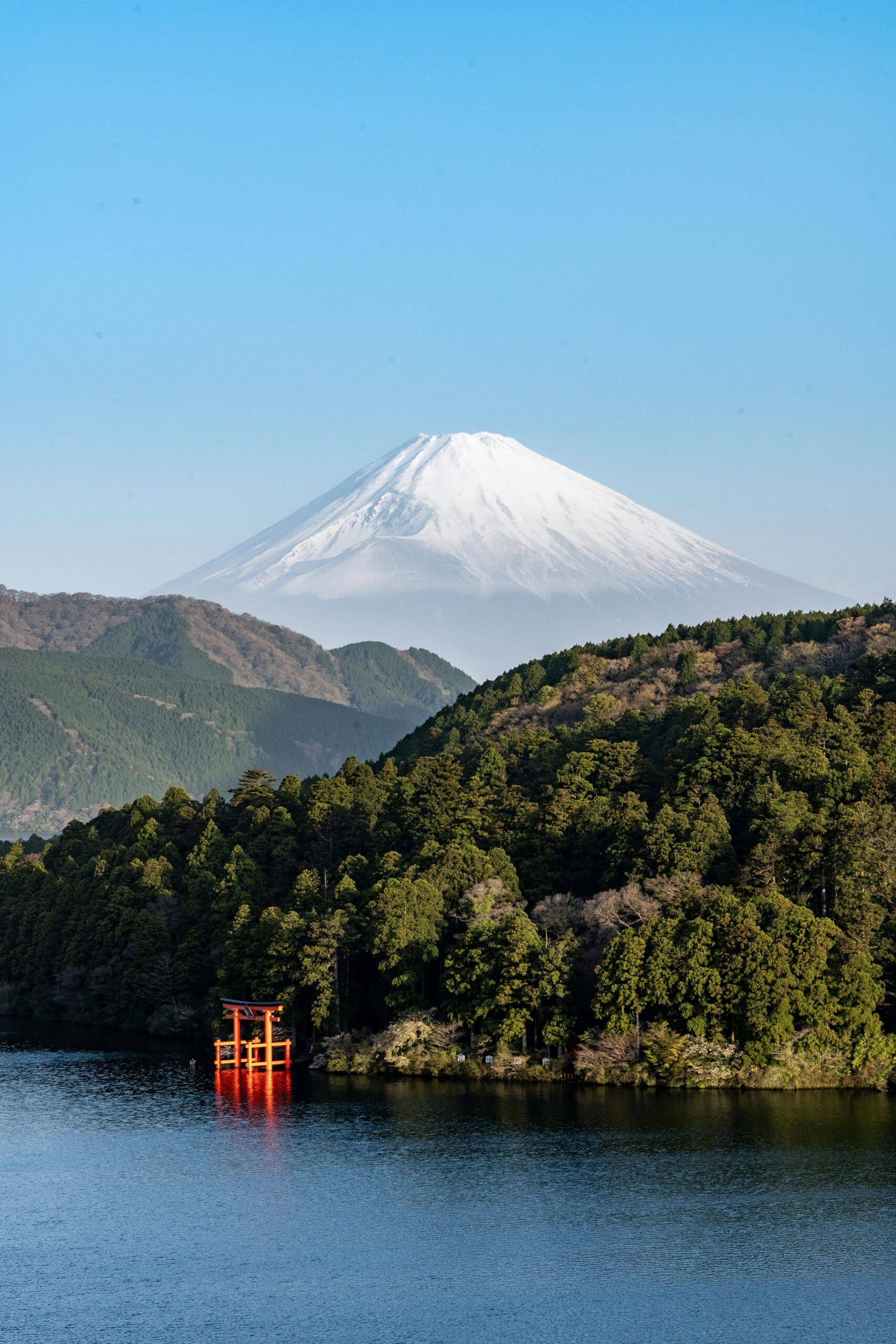
The Lake Kawaguchi area, at the northern foot of Mount Fuji, has several ryokan and day-use facilities with open-air baths that frame the mountain directly. Soaking in warm mineral water with Mount Fuji filling the horizon in winter or early spring is one of the more unusual experiences available on a day trip from Tokyo. Several facilities here have adopted inclusive tattoo policies in response to the high proportion of international visitors. If Mount Fuji is part of your itinerary, pairing a viewpoint visit with an afternoon onsen stop makes for a well-paced day. A private Fuji day tour from HavenJapan is built around exactly this combination.
Nikko
The Kinugawa Onsen area, a short distance from the UNESCO World Heritage shrines of Nikko, offers riverside hot spring baths in a forested mountain setting. The combination of a morning exploring the shrines and a late afternoon soak in Kinugawa gives the day a natural rhythm that is hard to improve on. The waters here are sodium chloride springs, mild and accessible for first-time onsen visitors.
Atami and the Izu Peninsula
For visitors who want a coastal onsen experience, Atami and the broader Izu Peninsula offer hot springs above the Pacific. Several resort hotels and day-use facilities along this stretch have open-air baths with sea views, and the area is less visited by international tourists than Hakone, giving it a more quietly local feel. The train journey from Tokyo Station to Atami takes under an hour on the Shinkansen, making it viable as a half-day addition to a longer itinerary.
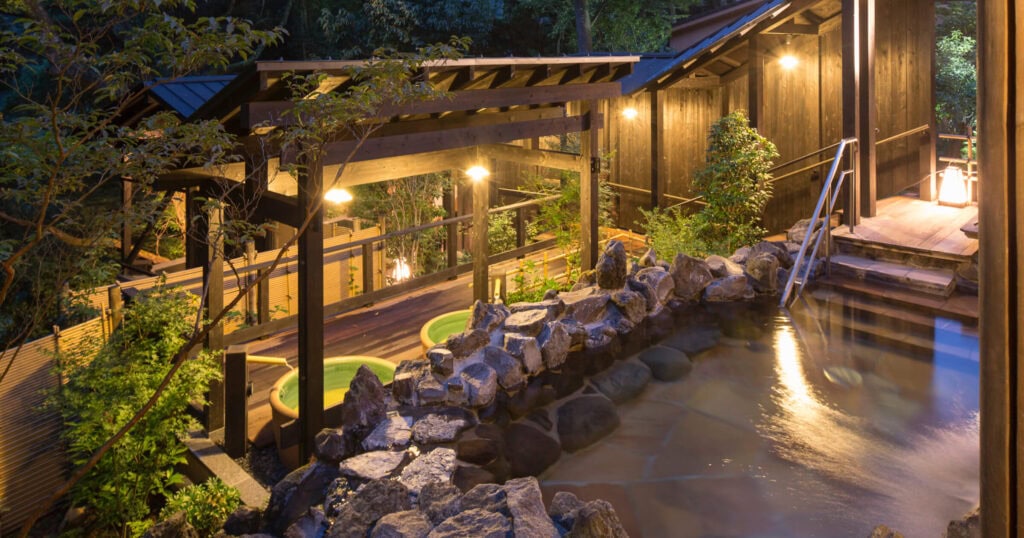
Private Onsens and Day Trip Options
For guests who would prefer not to navigate the shared bathing conventions, or who simply want more privacy, kashikiri baths are available at many onsen facilities in Hakone and the surrounding areas. These are private rooms with their own outdoor or indoor hot spring bath, bookable by the hour. They are popular with couples, families, and any visitor who wants the full onsen experience without the shared environment. Quality kashikiri rooms in Hakone book up on weekends and public holidays, so reserving in advance is advisable.
Planning an onsen day trip from Tokyo involves coordinating transport, bath reservations, and timing around the other sights you want to include. For visitors unfamiliar with the area, a private guided day trip removes all of that logistics while adding a layer of context and flexibility that independent travel cannot easily replicate. HavenJapan’s guides are fluent in English and experienced in building onsen visits into itineraries that also take in Hakone’s landscapes, Mount Fuji views, or the cultural sites of Nikko.
Plan your onsen day trip from Tokyo
Private day trips to Hakone, Lake Kawaguchi, and Nikko, with onsen visits built into the itinerary. Departing from your hotel in Tokyo.
Explore private day tripsWhen and How to Plan Your Onsen Visit
The timing of an onsen visit matters more than most travellers expect. The right season, the right time of day, and avoiding the wrong weekends can be the difference between a genuinely restorative experience and a crowded one.
- Best seasons: Autumn and winter are the most atmospheric times to visit an onsen near Tokyo. The contrast between cool outdoor air and warm mineral water is at its most pronounced from October through February, and the foliage and snow landscapes of Hakone and Nikko add a visual dimension that is harder to find in the warmer months.
- Best time of day: Morning visits before 10am and late afternoon after 4pm are noticeably quieter than the midday peak when day-trippers arrive. If your schedule allows, arriving early gives you the best version of the facility.
- Avoid national holidays: Japanese public holidays see a marked increase in domestic visitors at all popular onsen facilities. Golden Week in late April and early May, Obon in mid-August, and the New Year period are the busiest times of year. If your travel coincides with these dates, booking a private bath well in advance is essential.
A private day trip gives you the flexibility to time your onsen visit around the rhythm of the rest of your day rather than working around a fixed schedule. Your guide can also advise on current conditions and suggest alternatives if a particular facility is unusually busy.
Final Thoughts
An onsen visit near Tokyo is one of the most distinctive experiences available on a day trip from the city, and one of the most straightforward once you understand the conventions. Whether you are drawn to the classic mountain hot springs of Hakone, the Fuji-framed baths of Lake Kawaguchi, or the quieter riverside springs around Nikko, the experience of sitting in geothermally heated mineral water in a Japanese landscape is something that stays with you long after the rest of the trip has faded.
If you want to build an onsen visit into a full day that also takes in some of the most compelling scenery near Tokyo, a private Hakone day tour with HavenJapan is the most complete way to experience both.
Frequently asked questions
Are onsens near Tokyo tattoo-friendly?
Many traditional onsens still prohibit tattoos due to their historical association with organised crime in Japan. However, attitudes are shifting and a growing number of bathhouses near Tokyo now welcome tattooed guests, particularly in areas popular with international visitors such as Hakone and Lake Kawaguchi. Yuryo Onsen and Tenzan Onsen in Hakone are both known for their inclusive policies. Private baths, known as kashikiri, are available at many facilities regardless of policy, and are the most reliable option for tattooed guests.
What is onsen etiquette in Japan?
The basic principles are straightforward. Shower thoroughly before entering any shared bath. Enter the water without clothing. Keep your small towel on your head or to the side, not in the bath itself. Lower yourself in slowly and avoid splashing. Keep voices low in the bathing area. After bathing, dry off before returning to the changing room and rehydrate well, as the mineral waters are dehydrating. Following these conventions ensures a respectful experience for everyone sharing the space.
What is the best onsen near Tokyo?
Hakone is consistently regarded as the best onsen destination within a day trip of Tokyo. Its combination of high-quality mineral springs, mountain scenery, and proximity to Mount Fuji makes it the most complete option. Yuryo Onsen and Tenzan Onsen are particularly well-regarded facilities within Hakone. Lake Kawaguchi offers the distinctive experience of soaking with views of Mount Fuji, while Atami and the Izu Peninsula provide a coastal alternative with more resort-style options.
When is the best time to visit an onsen near Tokyo?
Autumn and winter are the most atmospheric seasons for onsen bathing near Tokyo. Cooler temperatures make the hot water more enjoyable, and the contrast between crisp mountain air and warm mineral baths is at its most pronounced. Morning visits before 10am and late afternoon after 4pm tend to be quieter than midday, when day-trippers arrive in larger numbers. Avoiding national holidays and long weekends significantly reduces crowds at popular facilities.