
The Ultimate Kamakura Day Trip Guide
History, temples, bamboo groves, and coastal cuisine, all one hour south of Tokyo.
Just an hour south of Tokyo lies Kamakura, a coastal town rich in history, culture, and natural beauty. Once the seat of Japan’s first shogunate, it is home to ancient temples, a towering bronze Buddha, serene bamboo groves, and the kind of quiet that feels impossible so close to one of the world’s largest cities.

Getting to Kamakura
Kamakura sits roughly 50 kilometres south of central Tokyo, making it one of the easiest and most rewarding day trips in the country. There are two main ways to go, and the right choice depends on what kind of day you want.
With a private guide
The most immersive way to experience Kamakura is with a Haven Japan private guide. Your guide meets you at a convenient Tokyo location, handles every logistical detail (trains, temple entry, reservations) and navigates you through places that most visitors walk straight past. A guided day transforms a checklist into a real story.
By train on your own
Independent travellers take the JR Yokosuka Line from Tokyo Station, reaching Kamakura in approximately 55 minutes. From Shinjuku, the Shonan-Shinjuku Line connects directly in a similar time. The Enoden tram, a narrow single-car line that hugs the coastline, is essential for reaching the western temples and makes for a memorable journey in itself.
Must-See Attractions
Kotoku-in: the Great Buddha
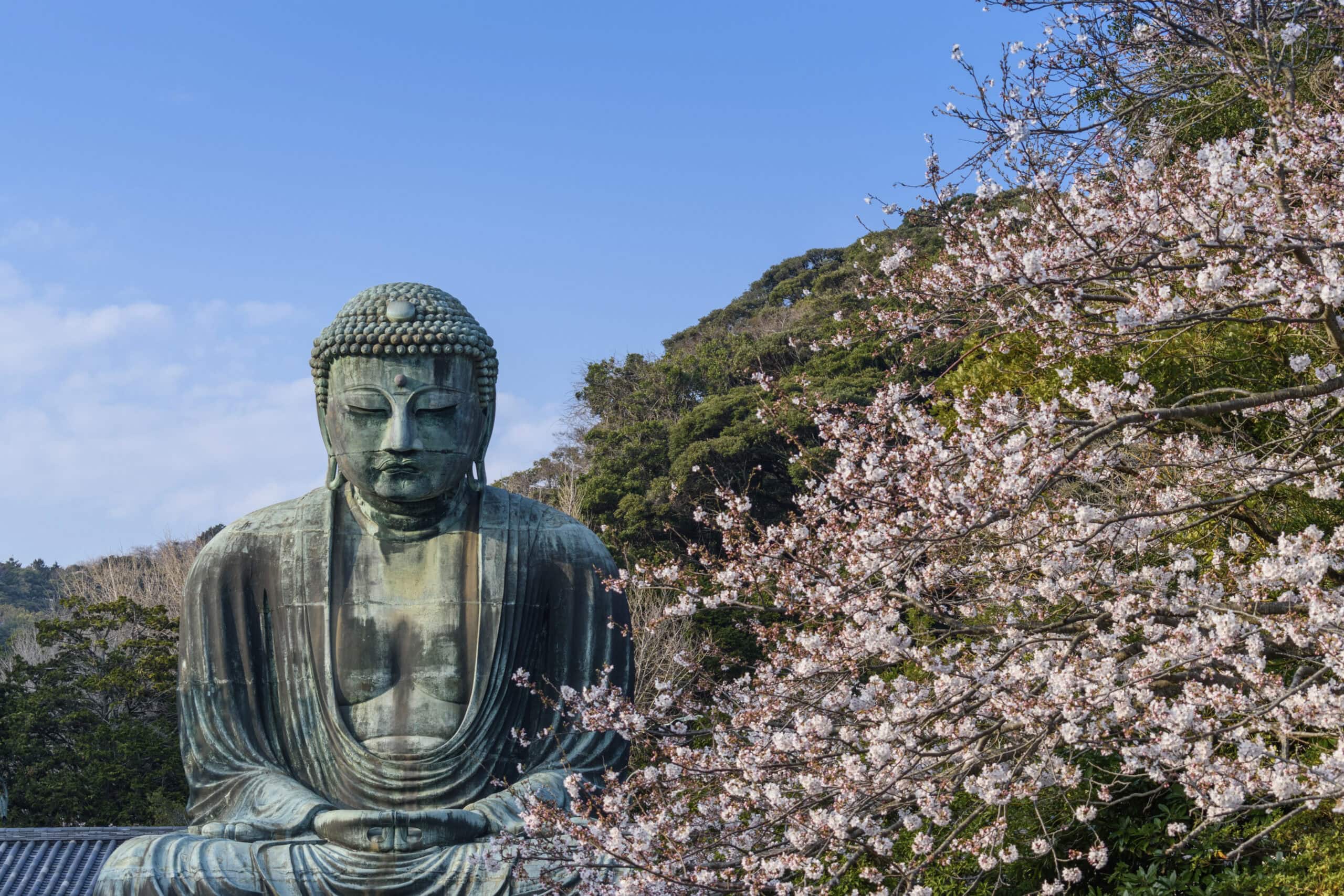
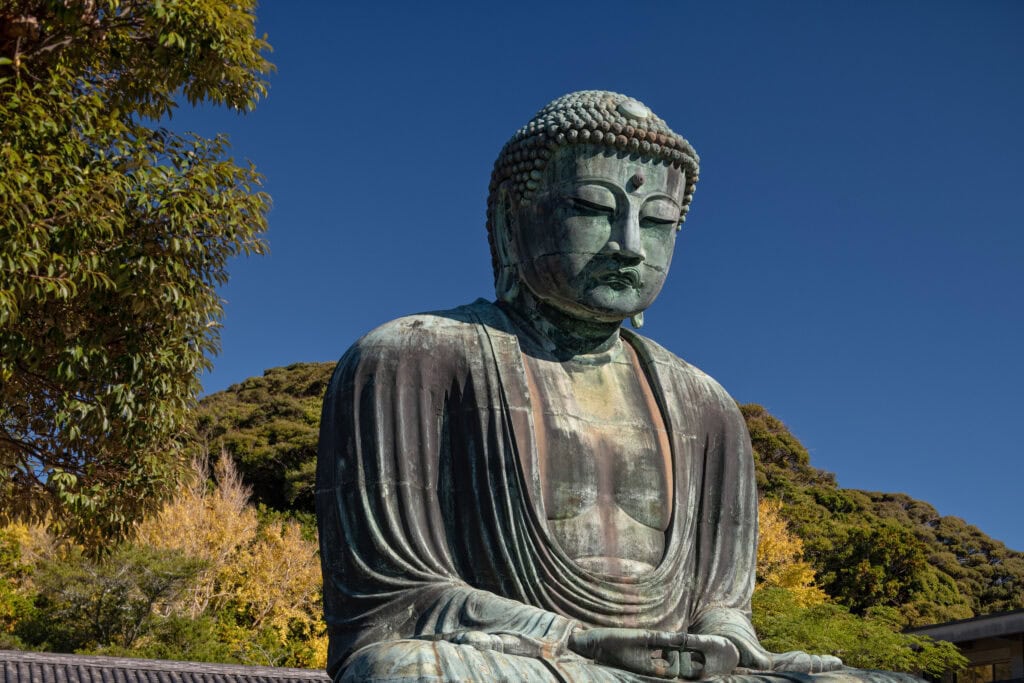
No visit to Kamakura is complete without standing before the Kotoku-in Daibutsu. Completed around 1252, this 13.4-metre bronze Amida Buddha once sat inside a great wooden hall. Typhoons and a tsunami destroyed the hall in the 14th and 15th centuries, leaving the statue to meditate in the open air ever since: serene, unhurried, impervious to weather.
For a small additional fee, visitors may enter the hollow interior and look up through small porthole windows in the shoulders. Your guide can explain the iconography: the hand gesture of meditation, the flame-shaped halo, the meaning of Amida in Pure Land Buddhism.
Hasedera Temple
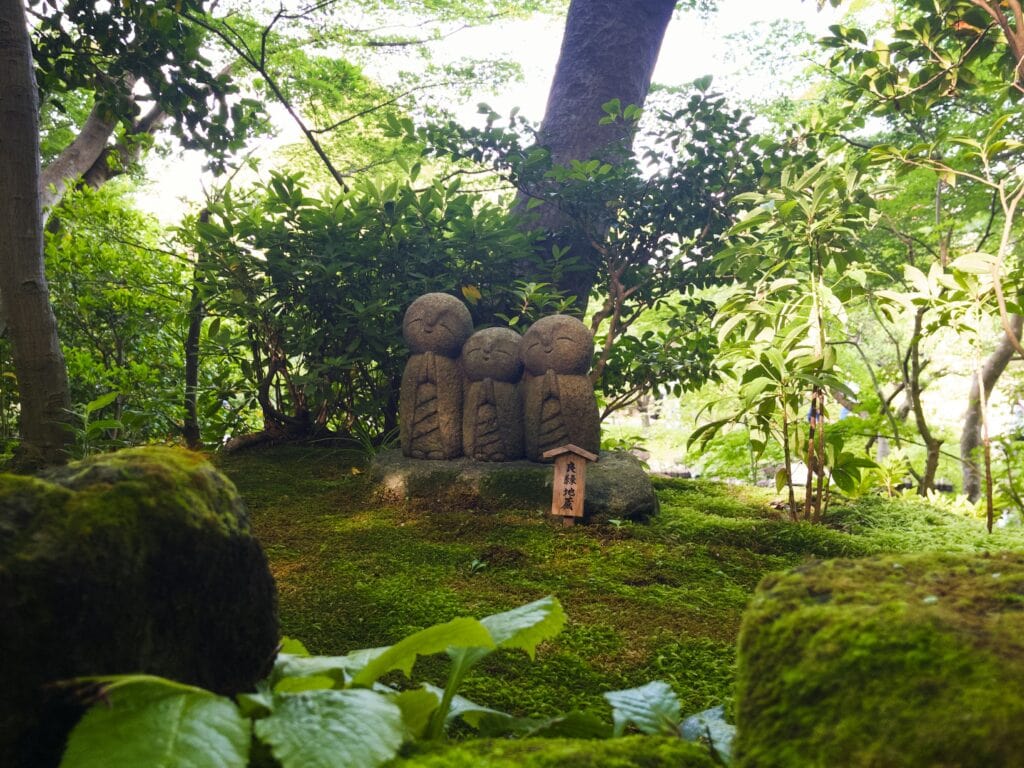
Built on the hillside above the coast, Hasedera is one of Kamakura’s most layered temples. The main hall houses Kannon, a gilded eleven-faced goddess of mercy standing nine metres tall, said to have been carved from a single camphor tree in 721 CE. Below the hall, a cave network contains dozens of small stone carvings of Benzaiten placed by worshippers over centuries.
The tiered gardens descend toward the sea, with hydrangeas blooming along the paths in June and lotus flowers opening through midsummer. The view from the upper terrace over Sagami Bay on a clear day is among the finest in the region.
Hasedera doesn’t announce itself. You arrive through a gate, climb a gentle path, and slowly realise you are somewhere extraordinary.
Tsurugaoka Hachimangu
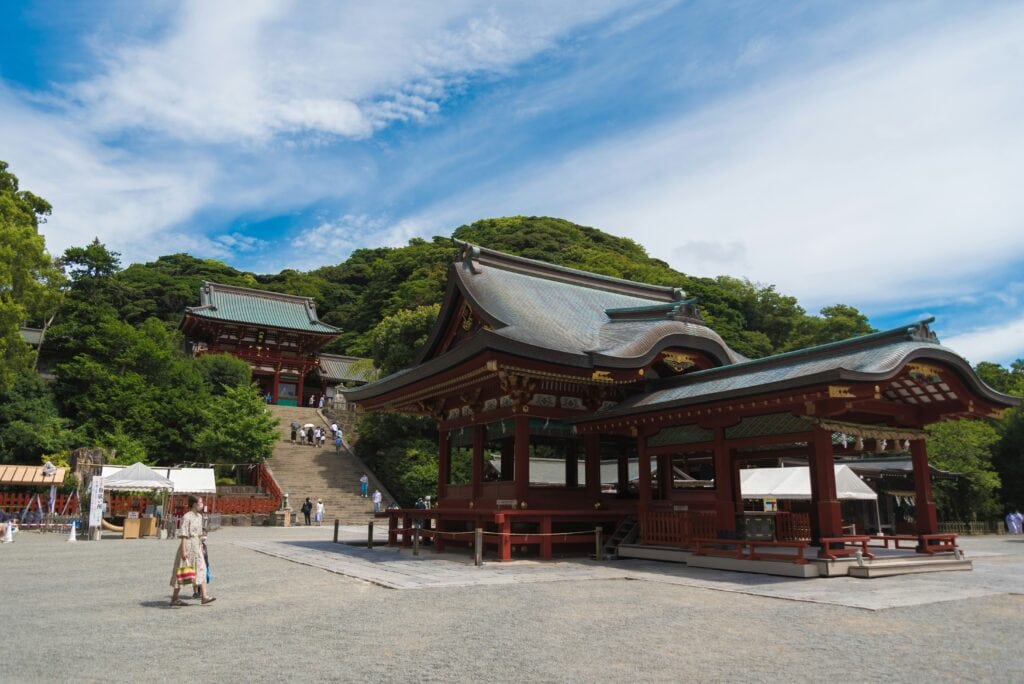
The spiritual centre of Kamakura, Tsurugaoka Hachimangu was founded in 1063 and expanded by Minamoto no Yoritomo, the first shogun, after he established his capital here in 1185. A broad avenue called Wakamiya Oji, flanked by three rows of cherry trees, runs 1.8 kilometres from the coast directly to the shrine steps, a processional road built at Yoritomo’s command.
The surrounding complex includes a museum of samurai artefacts, lotus ponds, a restored ancient garden, and the stone stage where Shizuka Gozen is said to have danced her final defiant dance before the assembled court.
Culinary Delights
Kamakura’s position between the mountains and the sea gives it a cuisine unlike anywhere else in the Tokyo region. The ocean provides ingredients found nowhere else; the temple culture has shaped a distinctive vegetarian tradition that dates back eight centuries.
Shirasu: the signature ingredient
Tiny whitebait fish (shirasu) are hauled from the waters off Kamakura and Enoshima year-round. They appear on rice bowls at every restaurant near the beach, raw in season, boiled or dried at other times. A don of rice topped with a mound of fresh shirasu, dressed with grated ginger and soy, is as essential to a Kamakura visit as the Great Buddha itself.
Shojin ryori
Kamakura’s Zen temples brought shojin ryori, the formal vegetarian cooking of Buddhist monks, to Japan in the 13th century. Several restaurants in the city still serve it today: a sequence of small, beautifully arranged dishes using tofu, vegetables, sesame, and mountain plants, prepared without meat or fish. Eating shojin ryori in Kamakura is eating eight centuries of history.
Komachi Street
The covered shopping street running from Kamakura Station toward the shrine is lined with small producers selling local specialities: matcha soft-serve, warabi mochi dusted with kinako, smoked cheese tarts, and handmade sembei crackers flavoured with local seaweed. An early walk along Komachi-dori before the shrine visit is a pleasant way to graze.

Hidden Gems
Kamakura rewards those who venture beyond the obvious. Behind the principal shrines lies a network of forest paths, cliff-carved burial caves, and neighbourhood workshops that most visitors never find.
Hokokuji Temple: the bamboo grove
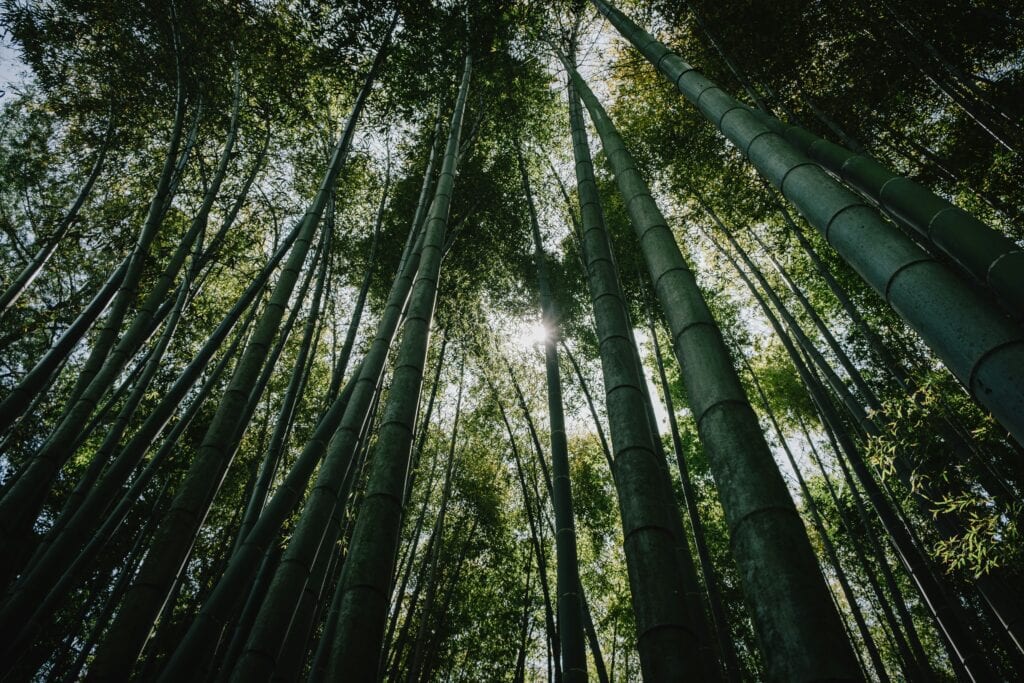
While Kyoto’s Arashiyama bamboo grove is overrun year-round, Hokokuji in eastern Kamakura offers something rarer: a grove of 2,000 moso bamboo enclosed within the temple grounds, where silence is treated as sacred. A small tea house serves matcha and wagashi at the grove’s heart. The combination of shade, scale, and calm is unlike anything else in the Kanto region.
Mandarado Yagura
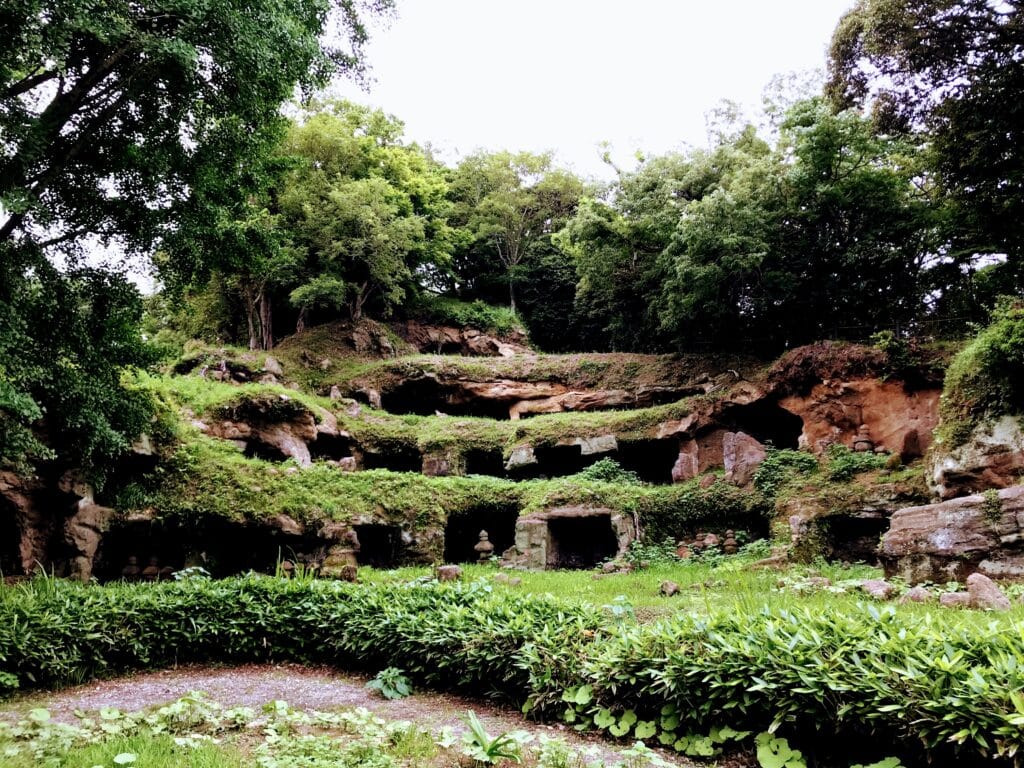
In the hills above central Kamakura, a series of carved cliff caves (yagura) served as burial chambers for samurai families during the Kamakura period. Mandarado Yagura is among the largest and least-visited complexes, hidden behind a working residential neighbourhood. Your guide knows where the path begins.
The best things in Kamakura are not marked on the tourist map. A guide is the map.
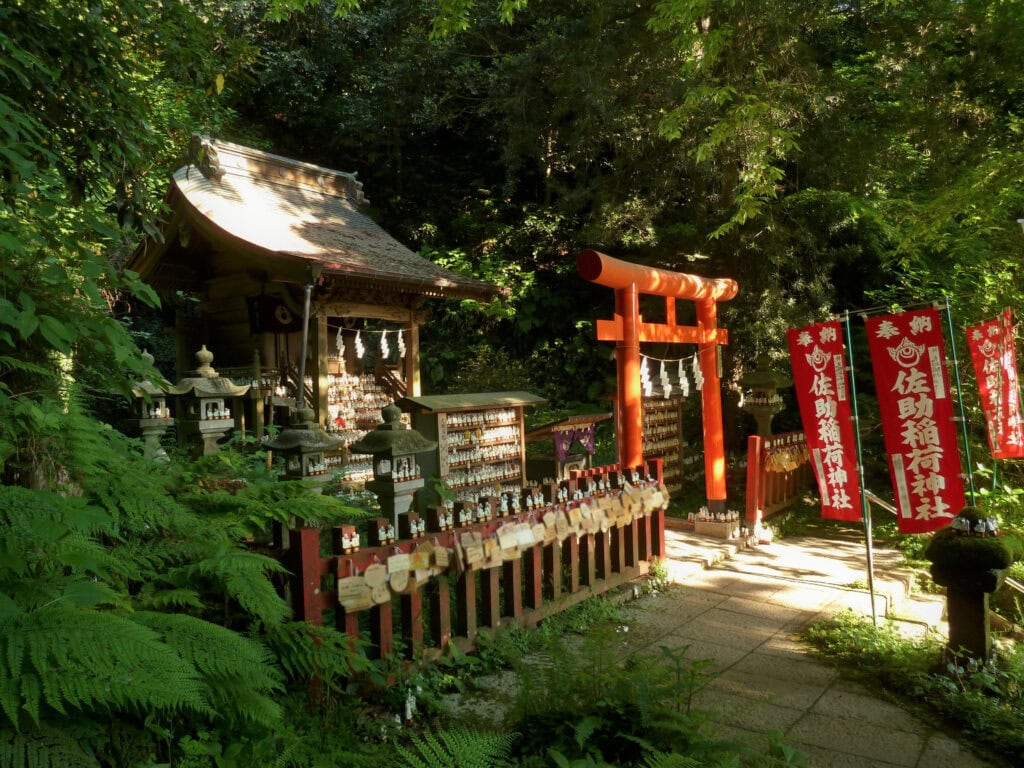
Sasuke Inari Shrine
Less celebrated than Kyoto’s Fushimi Inari, Sasuke Inari is a hillside shrine of vermilion torii gates, moss-covered fox statues, and forest quiet that feels genuinely otherworldly. The approach passes beneath dozens of wooden gates in quick succession before opening onto the main shrine plateau.
Kamakura with Kids
Kamakura is one of the most family-friendly day trips in the Tokyo region. The combination of visual scale, hands-on activities, and a seaside setting holds the attention of children of all ages.
The Great Buddha produces an immediate, instinctive wonder in children. Few landmarks anywhere in the world are as physically impressive and culturally legible at the same time. The Enoden tram ride from Kamakura to the beach is a highlight in itself: the single-car train navigates streets so narrow that cars must pull over to let it pass.
At Hokokuji, children can participate in a simple zazen meditation session or try their hand at raking the Zen garden. The beach at Yuigahama is sandy and calm, and the seafront restaurants serve shirasu rice bowls in child-friendly portions. A private guide paces the day around your family’s energy, making sure no one ends the afternoon on empty.
Practical Tips
When to visit
Kamakura is beautiful in every season. Spring brings cherry blossoms along the shrine avenue in late March and early April. Early summer fills Hasedera’s garden paths with thousands of hydrangeas. Autumn colours the maple trees at the mountain temples from mid-November. Even winter has its charms: clear skies, thin crowds, and the occasional frost on the stone lanterns.
What to wear
Comfortable walking shoes are essential. The hillside temples involve uneven stone paths, and the forest trails require steady footing. Layers are useful: the ocean breeze along the coast is cooler than central Tokyo, and the temple groves hold shade even in summer.
Getting around
The Enoden tram connects the main western attractions. A one-day pass (580 yen) allows unlimited rides. The core area around the central station and Tsurugaoka Hachimangu is walkable. Rickshaws are available near the station for those who prefer a more leisurely journey through the streets.
Entry fees
Most major temples charge between 200 and 600 yen for entry. The Hokokuji bamboo grove has a separate fee that includes the matcha tea service. Allow two to three hours for the Great Buddha and Hasedera together, and a full hour for Tsurugaoka Hachimangu. A guided day removes all of this planning: your guide handles every entrance, every transition, every reservation.
Kamakura with a private guide from Tokyo
A full-day private tour, customised around your pace. The Great Buddha, the bamboo grove, the coastal table, and the hidden corners that most visitors never reach.
Discover Kamakura with usFrequently asked questions
How far is Kamakura from Tokyo?
Kamakura is approximately 50 kilometres south of central Tokyo. By train on the JR Yokosuka Line from Tokyo Station, the journey takes about 55 to 60 minutes. From Shinjuku, the Shonan-Shinjuku Line reaches Kamakura in roughly the same time.
How much time do you need in Kamakura?
A full day (roughly eight hours) allows you to visit the Great Buddha, Hasedera Temple, Tsurugaoka Hachimangu, and one or two hidden gems such as the Hokokuji bamboo grove. If you are joining a private guided tour, your guide will calibrate the pace to your interests.
What is the best way to get around Kamakura?
Most major sites are within walking distance of each other or reachable by the Enoden, a charming single-car tramline that runs along the coast. A one-day Enoden pass allows unlimited rides. Rickshaws, taxis, and rental bicycles are also available.
Is Kamakura suitable for children?
Kamakura is excellent for families. Children are captivated by the Great Buddha, the Enoden tram, the beach, and hands-on activities like zazen meditation and zen garden raking at Hokokuji. A private guide tailors the day around the ages and energy levels of your group.