
The Hakone Your Guide Actually Knows
Ninety minutes from Tokyo, a volcanic valley, a sacred lake, and Mount Fuji on the horizon. Most visitors see the same three stops. A private guide changes what the day becomes.
Most people who visit Hakone see three things: the ropeway, the black eggs, and the lake. They take the same photograph of the floating torii gate, check the weather app to see if Fuji is showing, and catch the romance car back to Tokyo by evening. They have seen Hakone. They have not understood what it is.

The valley that is still erupting
Owakudani means Great Boiling Valley. The name is accurate. Three thousand years ago, a volcanic eruption collapsed this section of the mountain and left behind a landscape of sulphurous vents, steaming rock, and water that never cools. The ropeway cable car crosses directly above it, and the experience of moving silently over active geology at close range is one that most tour itineraries treat as a quick stop.
Your guide will slow it down. Owakudani is where Mount Fuji is closest, and on a clear day the angle from the valley floor gives you Fuji without foreground clutter: no lake, no shrine, no tourist infrastructure. Just the mountain and the steam. Your guide knows which morning arrivals give the best light, and which cloud formations mean the view will close within the hour.
Three thousand years of volcanic activity, visible from a cable car. Your guide knows exactly when to look.
The kuro-tamago, eggs hard-boiled in the hot springs until the shell turns black, are sold here and worth trying once. Your guide will tell you the mythology: each egg, according to local legend, adds seven years to your life. The actual chemistry is more interesting. The sulphur in the water reacts with the calcium in the shell and darkens it. The egg inside is ordinary. The process that makes it extraordinary has been running without interruption for three millennia.

The shrine in the cedar forest, and the gate in the water
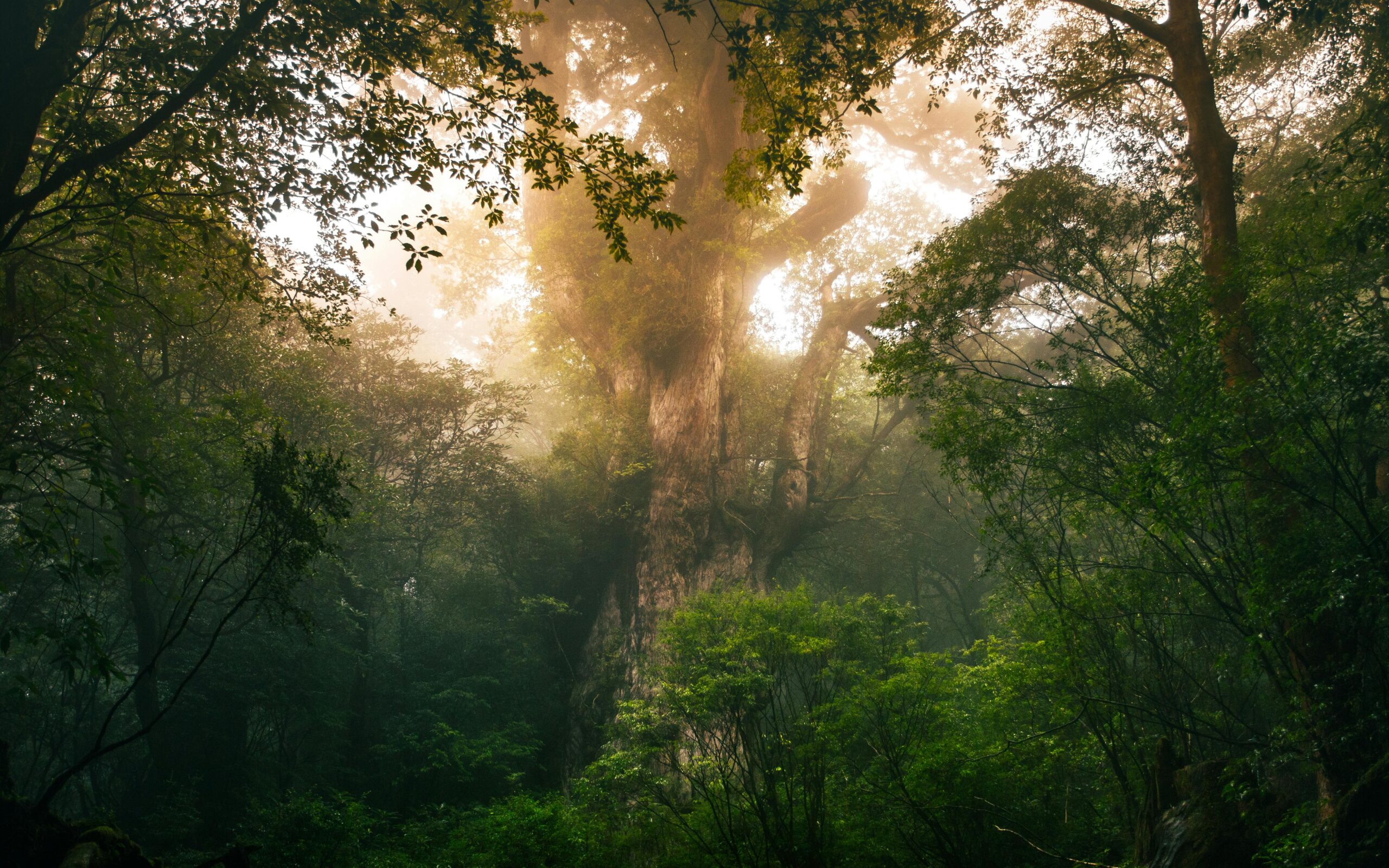
Hakone Shrine sits above the southern shore of Lake Ashi, inside a forest of cryptomeria cedars that has been growing since the shrine was established in 757 AD. The approach is a long staircase through the trees. Most visitors come for the torii gate at the water’s edge and leave without walking the full approach.
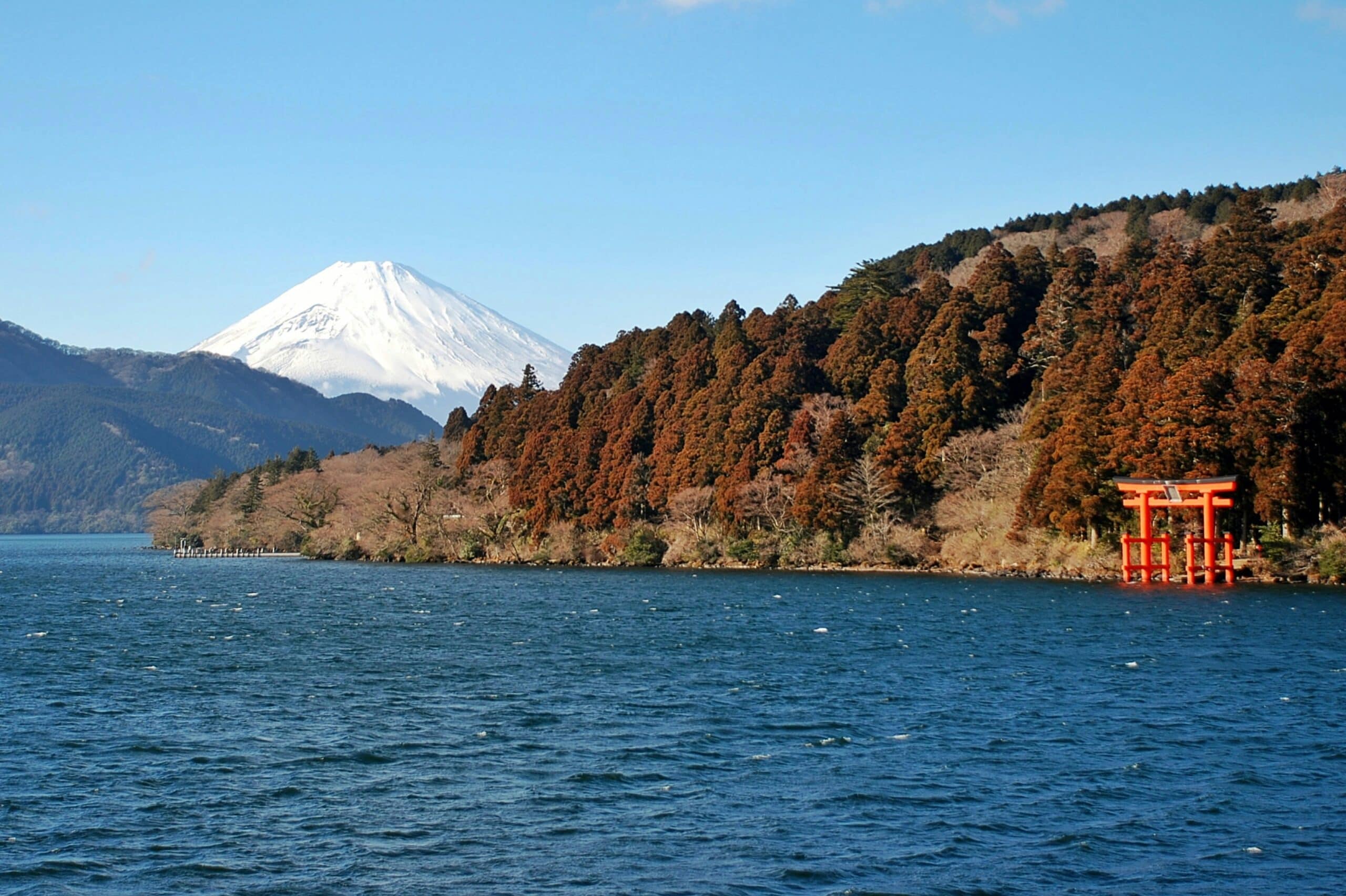
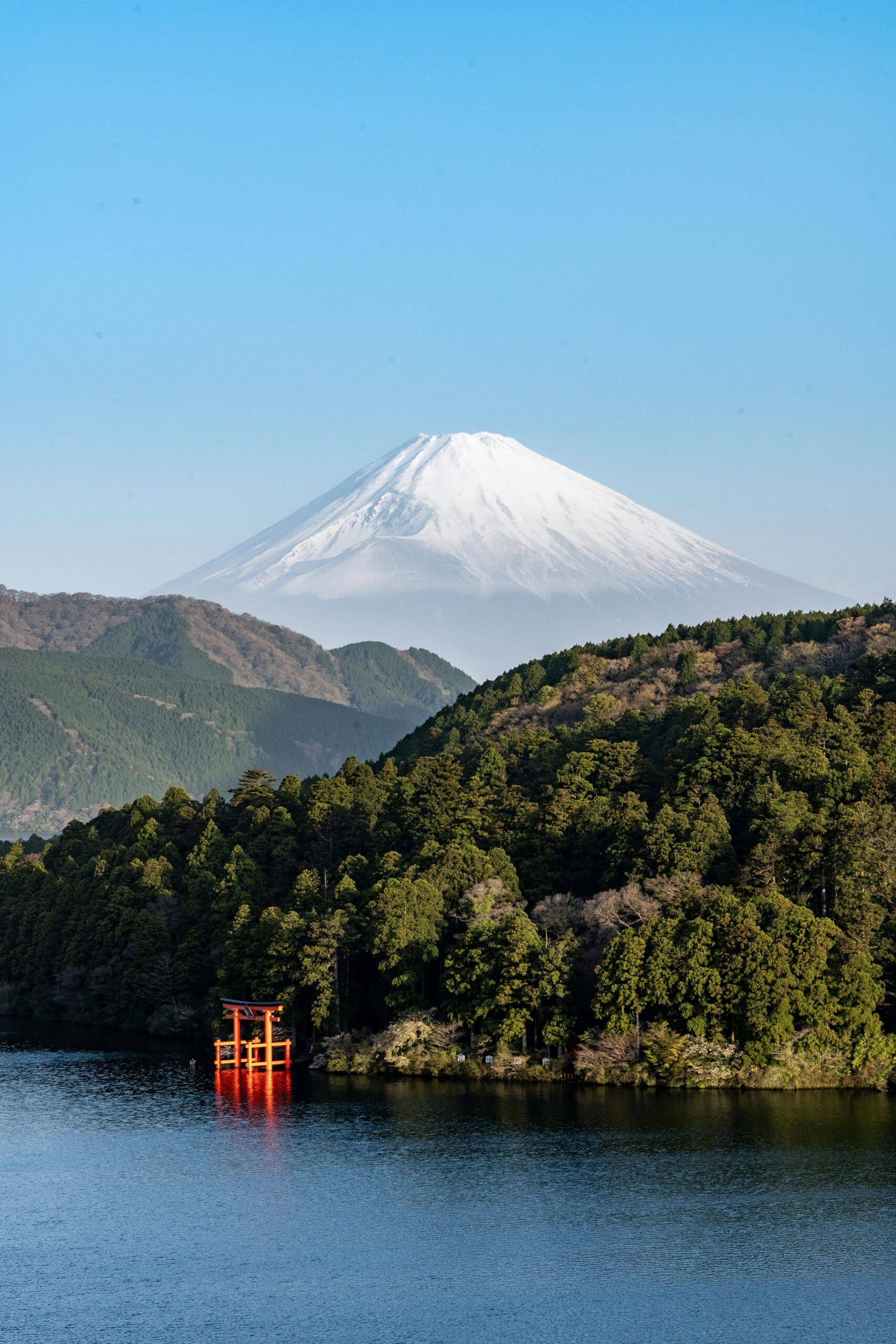
Your guide will take you into the forest. The shrine itself is relatively plain in the way that ancient Shinto shrines tend to be plain: weathered wood, stone lanterns, the smell of incense and cedar and water. It was built when Hakone was a checkpoint on the Tokaido road, the main artery between Edo and Kyoto, and the road passed directly by the shore. Every official, every messenger, every shogunal envoy passed Hakone Shrine. The gate in the lake was visible to all of them. It was a statement about where the sacred world began.

The lake, and why the weather window matters
Lake Ashi sits inside the caldera of a volcano that last erupted around 3,000 years ago. The lake is 20 meters deep, the water is cold even in summer, and the mountains that ring it are the remnant walls of the original crater. Mount Fuji is not part of the Hakone caldera: it stands separately to the northwest, visible above the caldera rim when conditions allow.
Fuji is visible from Hakone on roughly one day in three, depending on season and time of day. Morning arrivals give the best chance. Cloud typically builds from the southwest by early afternoon and closes the view. On a private tour, your guide will assess the weather before departure and adjust the itinerary around it: Owakudani and the ropeway first if the mountain is showing, Hakone Shrine first if the view is obscured. The sequence changes what you see, and when.
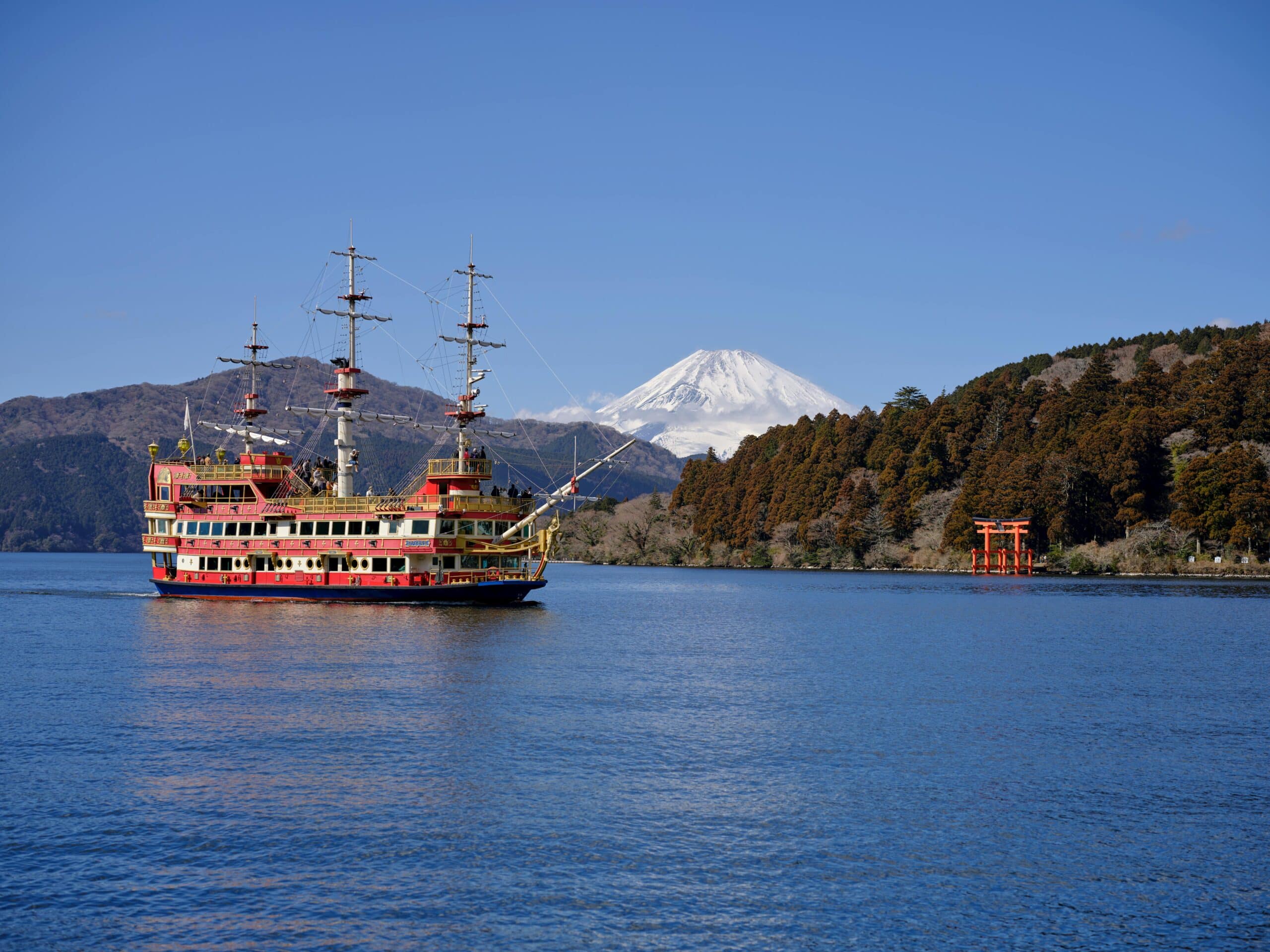
The Lake Ashi cruise is a twenty-five minute crossing from Hakonemachi Port to Togendai. The pirate ship boats are famous and deliberately theatrical. What they offer, practically, is a moving platform with unobstructed sightlines across the water. Your guide knows the exact moment in the crossing when the torii gate, the cedar forest, and the mountain align without obstruction.

Hakone with a private guide from Tokyo
A full-day private tour, built around the weather, your pace, and the version of Hakone most visitors never find. The volcano, the lake, the shrine in the cedar forest, and Mount Fuji when conditions allow.
Discover Hakone with usFrequently asked questions
Is Hakone worth visiting on a day trip from Tokyo?
Yes. Hakone is ninety minutes from Tokyo by romance car train and concentrates an unusual variety of landscapes in a compact area: a volcanic valley, a caldera lake, ancient forest, and on clear days, a direct view of Mount Fuji. A private guide allows you to time the visit around the mountain’s best light and avoid the busiest crowds.
What is Owakudani in Hakone?
Owakudani, which translates as Great Boiling Valley, is an active volcanic area created around 3,000 years ago. Sulphurous fumes rise from vents in the rock, and the valley is famous for kuro-tamago, eggs hard-boiled in the hot springs until the shells turn black. On clear days it offers one of the closest unobstructed views of Mount Fuji from the Hakone region.
What is the Hakone Shrine torii gate in the lake?
The torii gate of Hakone Shrine stands at the southern edge of Lake Ashi, partially submerged, with the cedar forest and caldera mountains behind it. The shrine dates to 757 AD and sits inside a forest of ancient cryptomeria cedars above the lake. The gate is visible from both the shore and from the water during the Lake Ashi cruise.
How long does a private Hakone tour with Haven Japan take?
A full-day private tour to Hakone typically runs 9 to 10 hours from Tokyo, including travel. The itinerary is fully customized and can include Owakudani, the Lake Ashi cruise, Hakone Shrine, and the Hakone Open-Air Museum, adjusted around weather conditions and your pace.